By Niklas Piringer, MPA/ID 2026, Harvard Kennedy School, and Growth Lab Research Associate
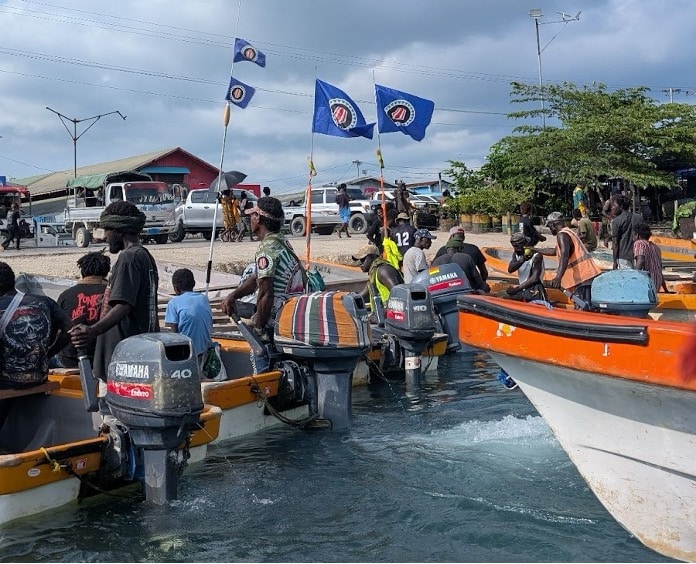
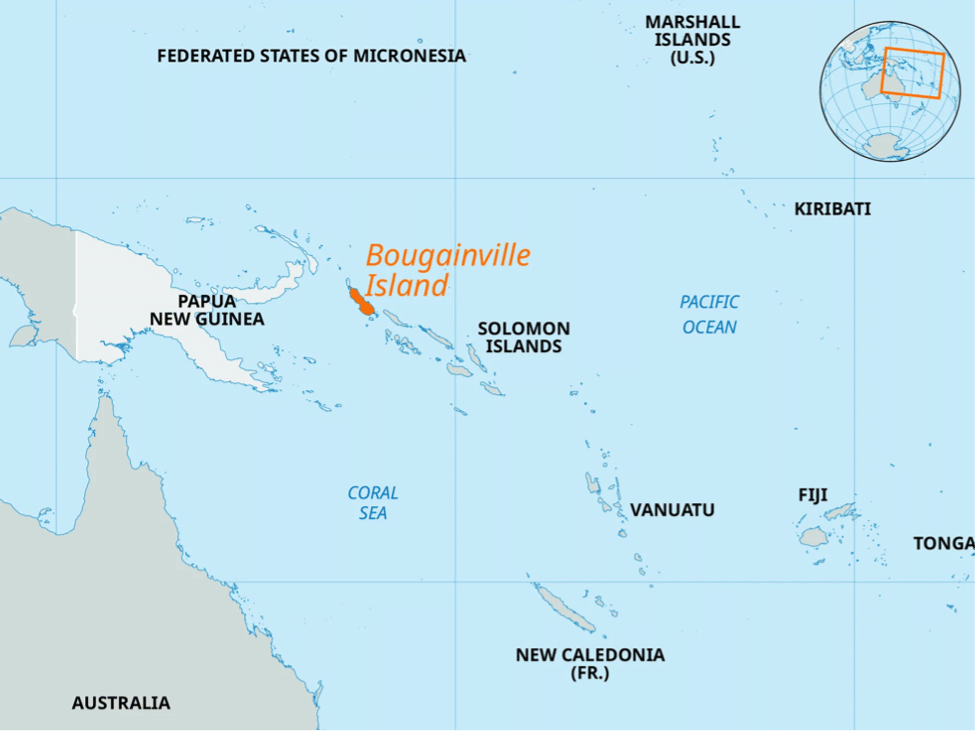
The thrum of outboard motors carries across the water as I board a small boat in the Buka Passage, the narrow strait that separates Bougainville’s main island from its northern tip. Nearly every vessel around me flies the Bougainvillean flag. The national colors of Papua New Guinea are nowhere to be seen. In 2019, 98% of Bougainvilleans voted for independence in a referendum widely regarded as free and fair, one of the most decisive democratic mandates in recent history. The target date for formal sovereignty is September 2027. But voting for a country and financing one are two very different things.
A $400 million challenge
Bougainville is a region of 367,000 people with a GDP of roughly $275 million and a per capita income of around $750. Today, less than 7% of government spending is domestically financed; the rest comes from Papua New Guinea transfers and donor grants. Running a fully sovereign state would cost an estimated $350 to $485 million annually: Bougainville would have to fund its own courts, police, health care, education, foreign affairs, basic infrastructure, and more. My master’s thesis, co-authored with Anna Christina Thorsheim and advised by Professor Ricardo Hausmann, estimates that even under optimistic assumptions about economic growth and improved tax collection, non-mining revenues could cover only 15-25% of what independence requires. Cocoa, fisheries, tuna licensing, and tourism all have potential, but none come close to closing the gap.
There is one source that could substantially close it: the Panguna copper and gold mine, shuttered since 1989, and the source of the conflict that defined a generation.
A mine that built, and broke, a nation
From 1972 to 1989, Panguna was operated by Rio Tinto and accounted for 45% of Papua New Guinea’s exports and 17% of its national tax revenues. But the revenues were largely not shared with Bougainville. Rio Tinto discharged billions of tonnes of waste rock and copper-laced tailings into the Jaba and Kawerong river systems, contaminating waterways that communities depended on for drinking water and fishing. Bougainville’s land is almost entirely under customary ownership, about 98%, yet compensation to landowners was poorly calibrated to this reality, leaving communities bearing severe environmental costs while receiving little in return.
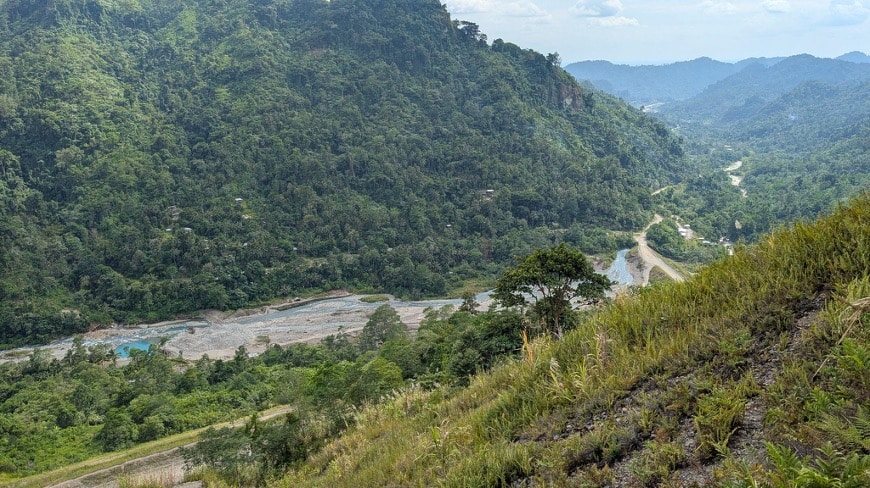
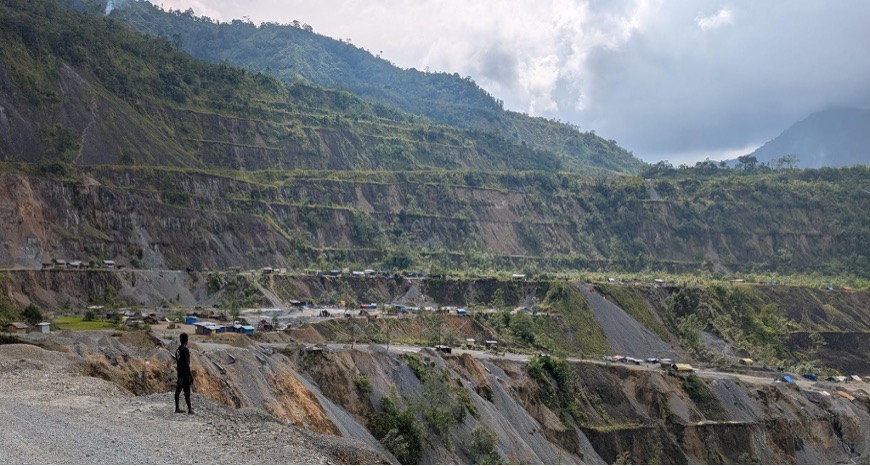
An armed insurrection shut the mine in 1989. The decade-long civil war that followed claimed roughly 15,000 lives – the deadliest conflict in the Pacific since World War II. A 2001 Peace Agreement ended the fighting and established autonomous governance. But Panguna has never reopened. Today, the pit is home to hundreds of informal miners – entire families working without permits, exposed to mercury and heavy metals, surviving in an extralegal economy born of necessity.
The economics of getting it right
Panguna contains an estimated 5 billion tonnes of copper and 19 million ounces of gold – a total mineral valuation of $60-80 billion. But reopening it requires approximately $8.2 billion in upfront capital investment in today’s money, among the highest for any copper mine globally. Bougainville cannot raise this independently and lacks the knowhow to run a major mine. It needs an international mining partner.
This is where project risk becomes decisive. The tax revenues that Bougainville can capture depend directly on how risky investors perceive the project to be. When investors see high risk, they require higher returns to justify the investment, which means a larger share of revenues must flow back to the developer rather than to the government. Our modelling shows that at high risk levels – reflecting Bougainville’s conflict history, regulatory uncertainty, and a civil service of roughly 400 people – a reopening could fail to generate any substantial revenue for the government. The developer would need to retain nearly all cash flows just to service the $8.2 billion investment. A single-grade improvement in country risk, secured with the help of multilateral development bank guarantees or credible arbitration frameworks, could increase government revenues by around $150 million per year.
The policy choices that Bougainville’s government makes in the next few years will therefore shape what the mine is worth to its people for the next two decades.
Niklas Piringer, MPA/ID 2026
The precedent for sound policy exists: when Ghana discovered the Jubilee oil field in 2007, it immediately sought technical assistance – from the World Bank, Norwegian petroleum advisors, and Brazil’s Petrobras – not just to license a developer, but to build the regulatory institutions and negotiating capacity needed to govern the sector in the public interest.
A different kind of mine
What made the original mine politically unsustainable was not mining itself, but who bore its costs and who captured its benefits. Our thesis recommends a joint venture between local Bougainvillean stakeholders and a foreign developer, with landowner equity stakes, environmental remediation costs embedded in capital expenditure from the outset, and transparent revenue-sharing arrangements. Our findings from the ground indicate that this is not merely a financing question, but a prerequisite for political viability. Landowner opposition was the proximate cause of the 1989 conflict. Unified consent is essential before any reopening can succeed.
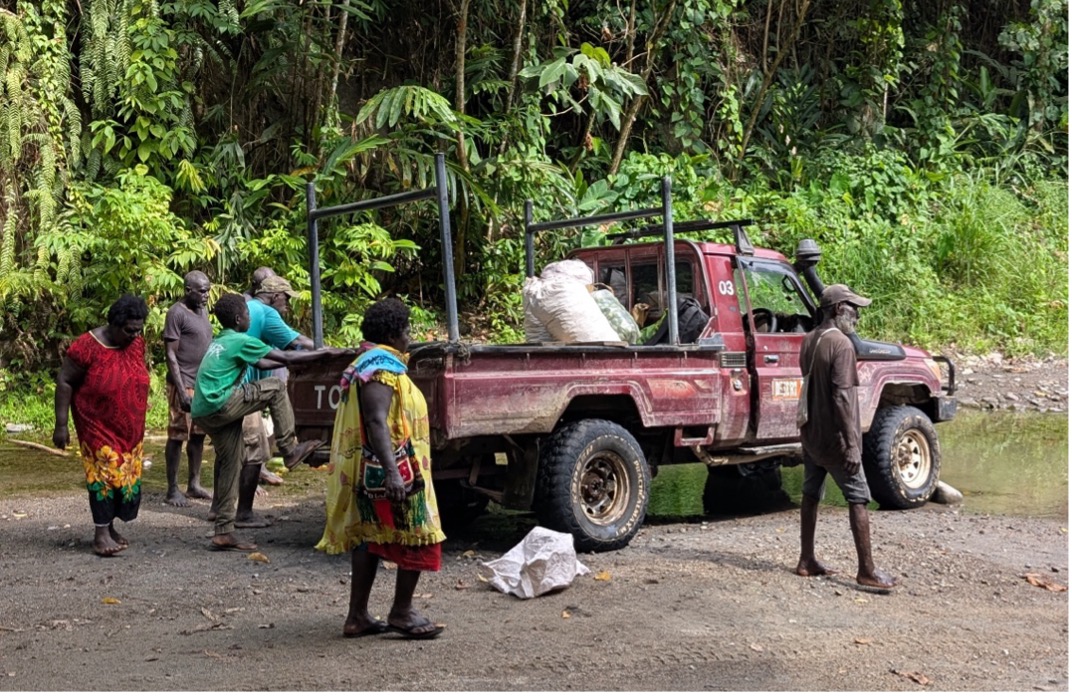
Even with everything in place, Bougainville’s timeline is unforgiving. Mine construction takes at least four years. Meaningful revenues are unlikely before the early 2030s – meaning Bougainville likely cannot sustain independence for several years after the 2027 independence target. And Bougainville will need unusually high fiscal discipline: a hard annual spending cap and a sovereign savings mechanism to ensure that when revenues arrive, they build a durable state rather than fuel a short-term boom.
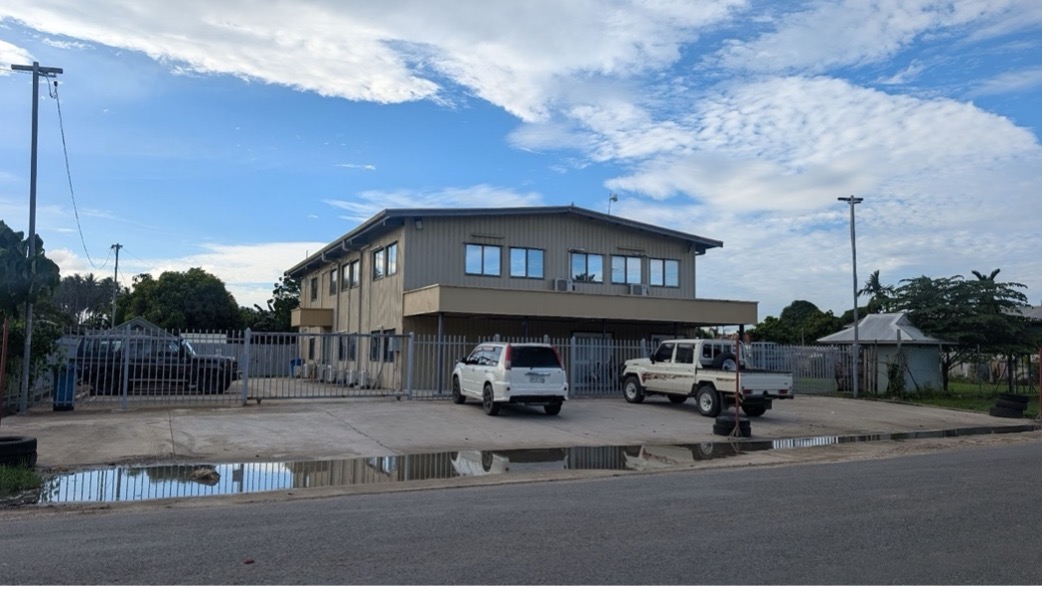
On my last afternoon in Buka, I passed the Department of Treasury and Finance – a modest two-story building, no larger than a suburban house. It is difficult to picture the team inside overseeing the fiscal architecture of a newly sovereign state: negotiating a mining contract worth billions, designing a wealth fund, and managing relationships with international creditors. But things can change remarkably quickly in this sleepy town. After all, thirty years ago, this island was a blockaded war zone. Bougainville’s flags are flying. The rest is yet unknown.