
Lunch Seminar: Human mobility: potential and resistance
April 28, 2017 | 12:00 pm – 1:00 pm
Speaker: Lant Pritchett, Professor of the Practice of International Development, Harvard Kennedy School
About the Session: Professor Lant Pritchett will present the four “risks and costs of migration” to host countries (Economic, Cultural Assimilation, Political and Security) and discuss the often overlooked gains of migration to both rich and middle income countries. He will give examples of how different “types” of countries can address the above mentioned costs and benefits from worker mobility.
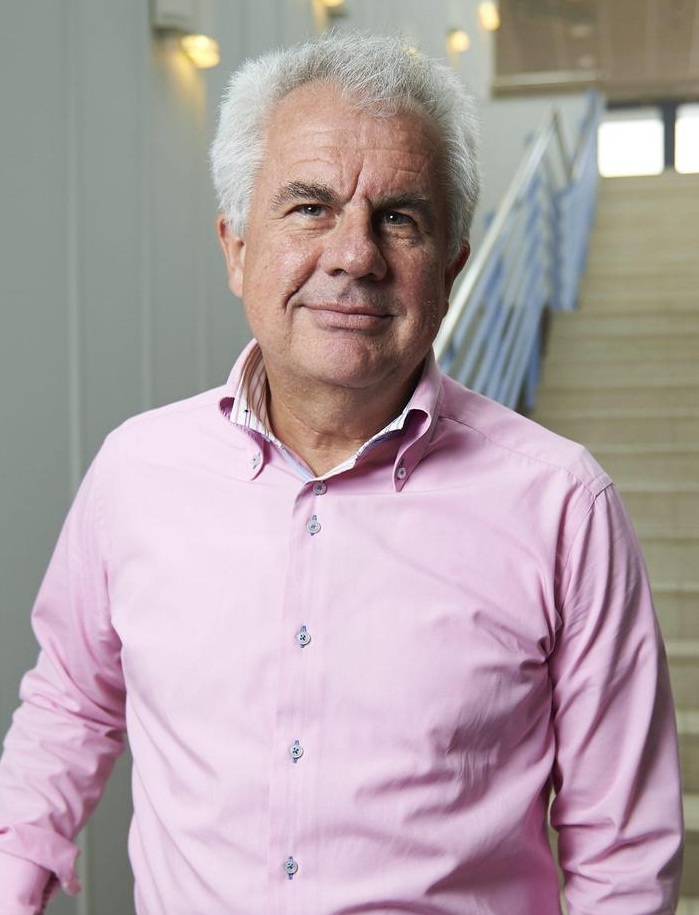
About the Speaker: Lant Pritchett is Professor of the Practice of International Development at the Kennedy School of Government at Harvard University (as of July 1, 2007). In addition he is a Senior Fellow of the Center for Global Development. He was co-editor of the Journal of Development Economics and worked as a consultant to Google.org. He graduated from Brigham Young University in 1983 with a B.S. in Economics and in 1988 from MIT with a PhD in Economics. After finishing at MIT Lant joined the World Bank, where he held a number of positions in the Bank’s research complex between 1988 and 1998, including as an adviser to Lawrence Summers when he was Vice President from 1991-1993. From 1998 to 2000 he worked in Indonesia.
From 2000 to 2004 Lant was on leave from the World Bank as a Lecturer in Public Policy at the Kennedy School of Government at Harvard University. In 2004 he returned to the World Bank and moved to India where he worked until May 2007. Lant has been part of the team producing many World Bank reports, including: World Development Report 1994: Infrastructure for Development, Assessing Aid: What Works, What Doesn’t and Why (1998), Better Health Systems for Indias Poor: Findings, Analysis, and Options (2003),World Development Report 2004: Making Services Work for the Poor, Economic Growth in the 1990s: Learning from a Decade of Reforms (2005).
In addition he has authored (alone or with one of his 22 co-authors) over 50 papers published in refereed journals, chapters in books, or as articles, at least some of which are sometimes cited. In addition to economics journals his work has appeared in specialized journals in demography, education, and health. In 2006 he published his first solo authored book, Let Their People Come, and in 2013 his second, The Rebirth of Education: Schooling Ain’t Learning.
Lant, an American national, was born in Utah in 1959 and raised in Boise, Idaho. Perhaps because of this, he has worked in, or traveled to, over fifty countries and has lived in three other countries: Argentina (1978-80), Indonesia (1998-2000), and India (2004-2007, & 2011-2012). Lant has been married since 1981 to Diane Tueller Pritchett and together they have three children.
HKS Latin American Conference – Moving Beyond the Crossroads: How can Latin America overcome its old and new challenges?
April 22, 2017 | 9:00 am – 4:30 pm
The 2017 Latin American Conference is the fourth conference organized by Latin American students at the Harvard Kennedy School. It seeks to create awareness about the policies, experiences, and opportunities for future growth and development in the region.
For the first time, the Conference will have two former presidents of the region as our keynote speaker: Mrs. Dilma Rousseff (Brazil) and Mr. Carlos Salinas de Gortari (Mexico), who will give their outlook on how Latin America has changed and the region’s development challenges.
For detailed information and tickets please access: https://www.latamconference.org/

Lunch Seminar – Ecuador After the Election: What Comes Next?
April 13, 2017 | 12:00 pm – 1:00 pm
THIS EVENT HAS BEEN CANCELLED. Stay tuned for a new date on our website.
This session will discuss the outcome of the recent elections for President and National Assembly in Ecuador.
Speakers: Nathalie Cely Suárez, President, Center for Competitiveness and Innovation of Ecuador and Ricardo Hausmann, Director, Center for International Development at Harvard University.
Moderator: Belén Sánchez, President, Harvard Ecuadorian Student Association (HESA)
About the Speakers:

Her extensive background and academic preparation led her to lead and form part of advisory teams to Latin American and Caribbean Governments and to Multilateral Cooperation Agencies. She is actively involved as a panelist in major global events such as the recent UNCTAD Conference Number 14 event. She is the author of several publications on economic issues, where her vision has made her an opinion leader on issues of economic, social and competitiveness development.
Nathalie Cely is an economist from the Catholic University of Guayaquil; During her years of study, she was awarded the prestigious prize of “Philanthropic” in 1985, 1986 and 1987, and the “Faculty of Economics” award in 1987; Later, and thanks to a grant from the Inter-American Development Bank, he completed a master’s degree in Public Administration at Harvard University’s John F Kennedy School of Government; Also has a Diploma in Public and Social Policies; She received the “Edward Mason Award for Academic and Community Contributions” in 2001. During her work as an Associate Researcher at the Harvard Economic Development Center, she did research work as an assistant to internationally renowned professors.
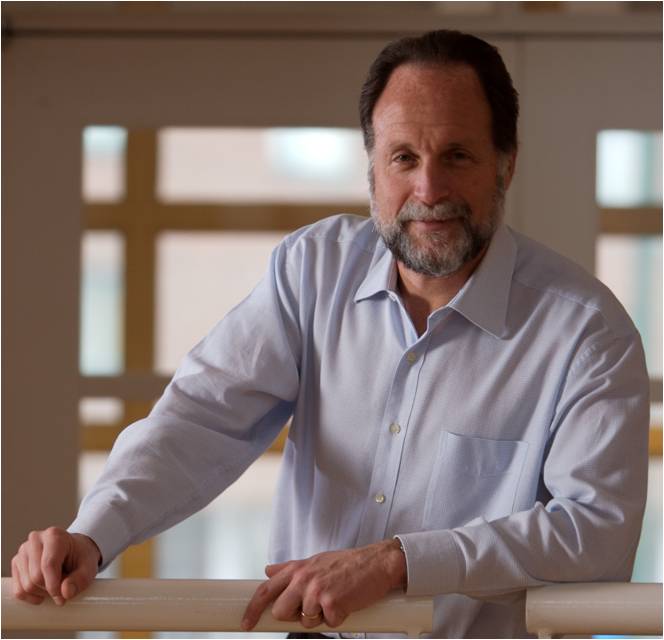
Ricardo Hausmann is Director of the Center for International Development and Professor of the Practice of Economic Development at Harvard University.
Previously, he served as the first Chief Economist of the Inter-American Development Bank (1994-2000), where he created the Research Department. He has served as Minister of Planning of Venezuela (1992-1993) and as a member of the Board of the Central Bank of Venezuela. He also served as Chair of the IMF-World Bank Development Committee.
Hausmann was Professor of Economics at the Instituto de Estudios Superiores de Administracion (IESA) (1985-1991) in Caracas, where he founded the Center for Public Policy. His research interests include issues of growth, macroeconomic stability, international finance, and the social dimensions of development. He holds a PhD in economics from Cornell University.
Co-sponsored with:
Harvard Ecuadorian Student Association (HESA) is a student organization registered at University-wide Student Group Program (USG) of Harvard University in December 2013. The purpose of Harvard Ecuadorian Student Association (HESA) is to engage students from across Harvard University in an active dialogue about Ecuador, as well as to foster a community of students from and/or interested in Ecuador throughout campus.
South Asia ConnectED
April 15, 2017 | 8:30 am – 5:00 pm
South Asia ConnectED is the first ever South Asia centric education conference being hosted in Harvard Graduate School of Education. Explore catalyzing for scale in education policy, social change and education technology with leaders from South Asia. Join John Floretta, Associate Director of Policy for J-PAL, Sridhar Rajagopalan, Founder, Educational Initiatives, Sanjli Gidwaney, Director, Design for Change, USA and many others as they opine and connect with us on the day.
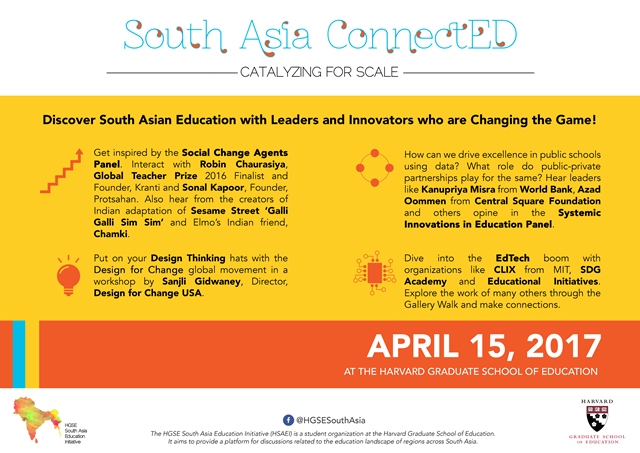
Register here for free: http://bit.ly/2nbLSXr
Organizers: This conference is being conducted by HGSE South Asia Education Initiative, a student body at HGSE, aiming to build a bridge between students and faculty in Harvard and beyond with education practitioners and academics in South Asia.
Follow us here: http://bit.ly/2o6KUMH
CID Speaker Series: Economic policy in Brazil – prospects for recovery after the crisis
April 14, 2017 | 12:00 pm – 1:00 pm
Speaker: Fabio Kanczuk, Secretary of Economic Policy at the Brazilian Ministry of Finance and Full Professor of Macroeconomics at the University of São Paulo.
Please sign up for the event on the link below to secure a seat
About the talk: In recent years Brazil has been experiencing its largest economic contraction since 1930s. In an attempt to reverse the decline in economic activity the Government is currently implementing a series of measures to reduce inflation, control government debt and promote private investment. In this event, the Secretary of Economic Policy at the Brazilian Ministry of Finance will talk about the roots of the economic crisis, the measures being adopted and the current and future challenges for Brazilian policy-makers.
About the Speaker: Fabio Kanczuk is Electronic Engineer “Magna cum Laude” from ITA (Aeronautic Technologica
This event is co-sponsored with: Brazilian Caucus – A Student Run Organization at HKS

2017 Harvard Global Development Conference: “Rethinking Development: The World in Transition”
April 1, 2017 | 12:00 am
For over 20 years, the GDC has offered a world-class forum for exploration of new trends in the international development world. The conference has been a thriving platform for decision-makers, practitioners, experts, academics and emerging young leaders to engage with one another and share innovative ideas, attracting world-renowned speakers.
This year, the conference discusses fundamental questions on technology, policy frameworks, financing and contemporary issues in global development. More than 50 senior executives are joining from the World Bank, UNDP, Asia Development Bank, McKinsey&Company, Nordic Development Fund, Unilever, Citigroup, The Bridgespan Group, MIT D-Lab, One Acre Fund, Millenium Challenge Corporation, SK Group, Rural and Agricultural Finance Learning Lab, Cignifi, Bankable Frontier Associates, Medecins Sans Frontieres, Technoserve, Center for Global Development, Global Green Growth Institute, and many more.
This event is co-sponsored by the Center for International Development at Harvard University.
There will be office hour sessions with some of the speakers.
To buy tickets: www.globaldevelopmentconference.org
To updates: https://www.facebook.com/gdcharvard
Lunch Seminar – Made in Mexico: The Path Ahead for Trade and Migration Issues
March 24, 2017 | 12:00 pm – 1:00 pm
Speaker: Gerardo Esquivel, Professor of Economics at El Colegio de Mexico, and Executive Coordinator of Research at the Instituto Belisario Domínguez of the Mexican Senate
About the session: The session will discuss the future of trade (NAFTA) and migration flows between Mexico and the U.S. in the context of the Trump administration. What are the scenarios? Is NAFTA over? What can be expected in migration policy?
About the Speaker: Gerardo Esquivel received his Ph.D. in economics from Harvard in 1997. He also holds a B.
CID Speaker Series: A conversation with His Excellency Paul Kagame
March 10, 2017 | 5:50 pm – 7:00 pm
Speaker: His Excellency Paul Kagame, President of The Republic of Rwanda
THIS EVENT IS FULL

About the Speaker: Paul Kagame was born in October 1957 in Rwanda’s Southern Province. His family fled pre-indepe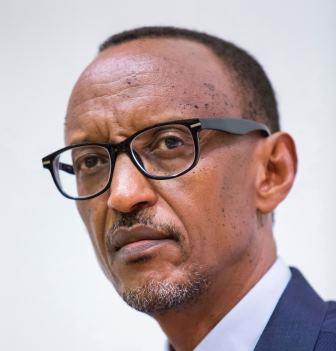
In 1990, Paul Kagame returned to Rwanda to lead the Rwandan Patriotic Front’s (RPF) four-year struggle to liberate the country from the autocratic and divisive order established since independence. Led by Kagame, the Rwanda Patriotic Army defeated the genocidal government in July 1994 and the RPF subsequently set Rwanda on its current course towards reconciliation, nation building and socioeconomic development.
Paul Kagame was appointed Vice-President and Minister for Defence in the Government of National Unity on 19 July 1994, and four years later was elected Chairman of the RPF, a partner in the Government of National Unity. On 22 April 2000 Paul Kagame took the Oath of Office as President of the Republic of Rwanda after being elected by the Transitional National Assembly. President Paul Kagame won the first ever democratic elections held in Rwanda in August 2003 and was re-elected to a second seven-year mandate in August 2010.
President Kagame has received recognition for his leadership in peace building and reconciliation, development, good governance, promotion of human rights and women’s empowerment, and advancement of education and ICT, and is widely sought after to address regional and international audiences on a range of issues including African development, leadership, and the potential of ICT as a dynamic industry as well as an enabler for Africa’s socioeconomic transformation. President Kagame served as chair of the UN Secretary General’s Advisory Group on MDGs from 2010 to 2015 and is the current co-chair of the ITU’s Broadband Commission alongside Carlos Slim.
Paul Kagame is married to Jeannette Nyiramongi and they have four children. He is a keen tennis player and football fan.
The Session will be moderated by Lant Pritchett, Professor of the Practice of International Development at Harvard Kennedy School
Please contact Camila_Lobo@hks.harvard.edu if you have any questions about this event.
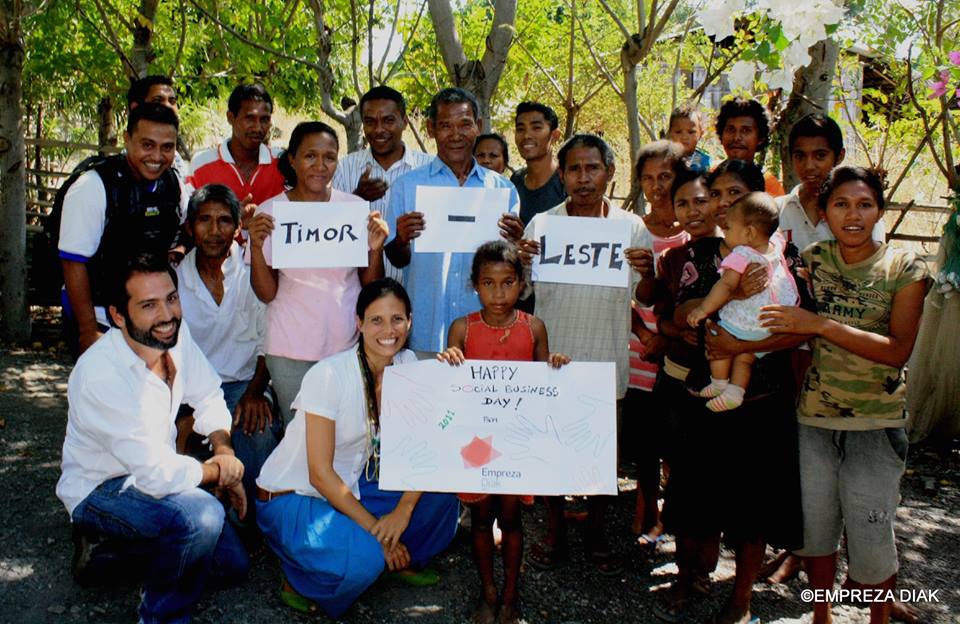
Lunch Seminar – Building an award winning NGO: an insight on the challenges and reality behind the dream to make a difference
February 10, 2017 | 1:00 pm – 2:00 pm
Speakers: Filipe Alfaiate and Ariana Almeida, Co-Founders of the Timor-Leste based NGO, Empreza Diak
About the session:
Filipe and Ariana will be talking about how their dream to make a difference became an award winning NGO empowering poor women and their families in Timor-Leste, the newest and most impoverished country in Asia.
They will focus on what can be learned from the challenges, mistakes and successes they faced in the past six years while launching the timorese NGO Empreza Diak (which means Good Business) and developing a sustainable team of staff, volunteers and donors. All passionate about changing lives by creating opportunities that build better lives, not charity. They will share unexpected outcomes, challenges, successes and what they would have done differently. And how they found that passion, hard work and innovation can make a difference even in the most challenging of places. They will also talk about why and how they used the over 2 million USD fundraised between 2011 and 2015 to focus on women economic empowerment, social business and inclusive markets, in programs now reaching over 5,000 vulnerable people.
About the speakers:
Filipe Alfaiate is a Mason Fellow and MC/MPA candidate at the Harvard Kennedy School of Government. An innovator, critical and strategic thinker, he has a passion for new ideas and unique expertise at intersection of Law, social issues and development. Filipe has launched and led social projects in Portugal, Brazil and Timor-Leste focusing on social change, economic development and social inclusion. He has 16 years’ experience as adviser and consultant to governments, private sector firms and non-governmental organizations, in Law, Innovation, Economic Empowerment and Policy and worked in more than 20 countries.
A qualified lawyer in Portugal, Timor-Leste and England, Filipe was senior associate in the international law firm Clifford Chance. Later, he was the senior adviser of Timor-Leste’s Prime Minister providing advice on investment, Law and the drafting of the country’s National Strategic Plan. In 2010 Filipe co-Founded and directed the timorese NGO Empreza Diak, focusing his work on business development and innovation.
Ariana Almeida is a social entrepreneur, gender equality and economic empowerment expert and program manager. Her passion for fighting social injustices and for working with those with fewer opportunities in life to build better futures inspired her to work in development. After working with Save the Children (UK, Brazil, Hong Kong, Timor-Leste) and Plan International (Timor-Leste) she co-founded the social enterprise Empreza Diak, which received the prestigious Sergio Vieira de Mello Human Rights Award, 2014 by Timor-Leste’s President. She led the organization’s women economic empowerment program and advocated for gender equality. Ariana holds a Law Degree and brings her law and development expertise to her management, advocacy and program and policy design.
Book Launch: “Building State Capability – Evidence, Analysis, Action”
Speakers: Matt Andrews, Senior Lecturer in Public Policy at Harvard Kennedy School and Lant Pritchett, Professor of the Practice of International Development at Harvard Kennedy School
Authors Matt and Lant will present the recently launched book: “Building State Capability – Evidence, Analysis, Action”.
The book uses data to identify failures in efforts to build state capability in development, employs theory to explain why these failures are common and likely to persist-keeping countries in capability traps–and builds on applied experience to offer a new approach to build state capability more effectively.
‘Building State Capability provides anyone interested in promoting development with practical advice on how to proceed—not by copying imported theoretical models, but through an iterative learning process that takes into account the messy reality of the society in question. The authors draw on their collective years of realworld experience as well as abundant data and get to what is truly the essence of the development problem.’ Francis Fukuyama, Stanford University; author of State-Building: Governance and World Order in the 21st Century
About the Speakers:
Matt Andrews is Associate Professor of Public Policy. His research focuses on public sector reform, particularly budgeting and finan
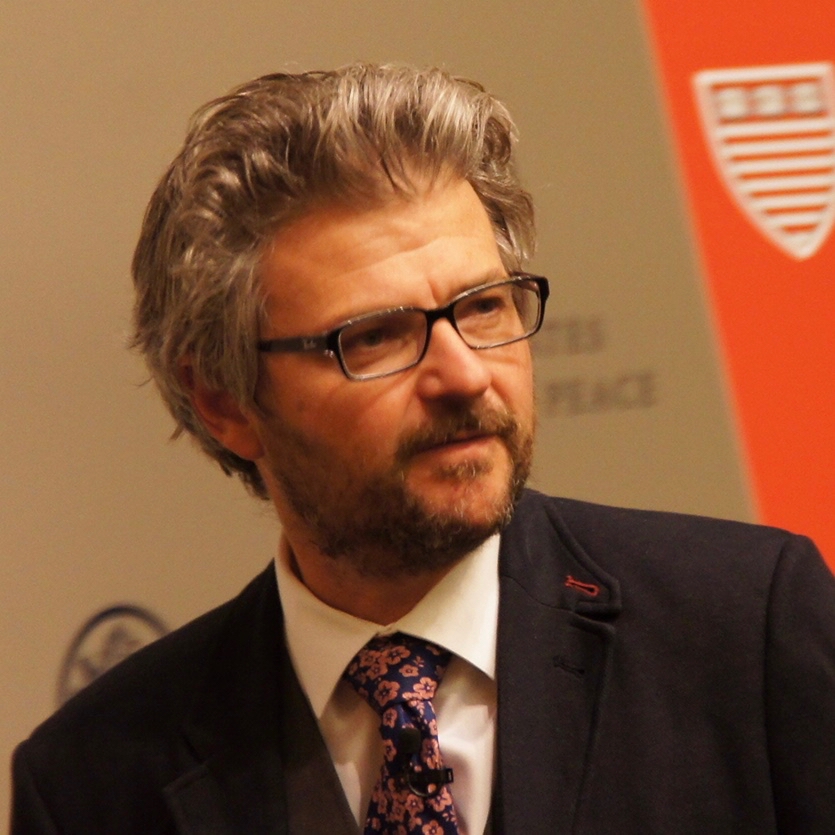
cial management reform, and participatory governance in developing and transitional governments. Recent articles focus on forging a theoretical understanding of the nontechnical factors influencing success in reform processes. Specific emphasis lies on the informal institutional context of reform, as well as leadership structures within government-wide networks. This research developed out of his work in the provincial government of Kwa-Zulu Natal in South Africa and more recently from his tenure as a Public Sector Specialist working in the Europe and Central Asia Region of the World Bank. He brings this experience to courses on public management and development. He holds a BCom (Hons) degree from the University of Natal, Durban (South Africa), an MSc from the University of London, and a PhD in Public Administration from the Maxwell School, Syracuse University.
Lant Pritchett is Professor of the Practice of International Development at the Kennedy School of Government at Harvard University
(as of July 1, 2007). In addition he is a Senior Fellow of the Center for Global Development. He was co-editor of the Journal of Development Economics and worked as a consultant to Google.org. He graduated from Brigham Young University in 1983 with a B.S. in Economics and in 1988 from MIT with a PhD in Economics.
After finishing at MIT Lant joined the World Bank, where he held a number of positions in the Bank’s research complex between 1988 and 1998, including as an adviser to Lawrence Summers when he was Vice President from 1991-1993. From 1998 to 2000 he worked in Indonesia. From 2000 to 2004 Lant was on leave from the World Bank as a Lecturer in Public Policy at the Kennedy School of Government at Harvard University. In 2004 he returned to the World Bank and moved to India where he worked until May 2007.
Lant has been part of the team producing many World Bank reports, including and has authored (alone or with one of his 22 co-authors) over 50 papers published in refereed journals, chapters in books, or as articles, at least some of which are sometimes cited. In addition to economics journals his work has appeared in specialized journals in demography, education, and health. In 2006 he published his first solo authored book, Let Their People Come, and in 2013 his second, The Rebirth of Education: Schooling Ain’t Learning.