
The Challenge of Driving Prosperity: Growth Diagnostics and Sustainable Development
October 30, 2018 | 11:45 am – 1:00 pm
Speakers: Miguel Angel Santos, Senior Research Fellow, CID (Jordan, Panama, Venezuela, sub-national Mexico)
Douglas Barrios, Research Fellow, CID (Venezuela, sub-national Mexico)
Tim O’Brien, Research Fellow, CID (Sri Lanka, Albania, Jordan)
About the talk: This panel discussion will focus on how to overcome the implementation challenges that arise when doing growth diagnostics, make high bandwidth development policies politically viable, and combine economic growth with social and environmental sustainability. The discussion will be followed by a Q&A with the speakers.
About the speakers: Miguel Angel Santos is an Adjunct Lecturer in Public Policy at Harvard Kennedy School of Government, and a Senior Research Fellow at the Center for International Development (CID) at Harvard University. At CID, he has been involved in various research projects aimed at helping governments to rethink their development strategies, both at the national and sub-national levels. Since he joined CID in August 2014, he has been involved in projects at the national level in Mexico, Panama, and Venezuela, and at the sub-national level in Mexico in the states of Chiapas, Baja California, Tabasco and Campeche; and the city of Hermosillo at Sonora state. He has also performed as project manager in the projects leading to the build-up of the Mexican Atlas of Economic Complexity, and the Peruvian Atlas of Economic Complexity. Before joining the field of international development, Miguel worked for ten years in corporate finance and business development in Latin America, performing as Director of Finance for the Cisneros Group of Companies (1997-2003), Head of Corporate Finance for Mercantil Servicios Financieros (2005-2007), and Business Vice-President for Sony Pictures and Entertainment Latin America (2008-2009). At that point, he decided to switch tracks and get involved in development economics. He holds two Master of Science degrees in International Finance and Trade (2011) and Economics (2012) from Universitat Pompeu Fabra, a Master in Public Administration from Harvard University (2014), and a Ph.D. in Economics at Universidad de Barcelona (2016). He was the head of the Macroeconomic Policy Team for presidential candidate Henrique Capriles Radonski in the Venezuelan elections of 2012.
Douglas Barrios joined the Center for International Development’s Growth Lab as a Research Fellow in 2013. Before joining CID he worked in McKinsey’s Bogotá office as a Public Sector Specialist where he served public and social sector organizations throughout Latin America in a broad set of topics ranging from ICT promotion strategies to education policy design. Other previous experience include serving as an external policy adviser for local governments as well as political campaigns in Venezuela. His research interests are focused on urban dynamics, natural resource extraction and rent management, behavioral economics and the political economics behind policy design. He holds a Bachelor’s degree in Economics from the Universidad Metropolitana (Venezuela) and a Masters in Public Administration and International Development at the Harvard Kennedy School (MPA-ID 2012).
Tim O’Brien joined CID in 2015 and has worked on both Growth Lab and Building State Capability projects. He has led growth diagnostic research in Albania and Sri Lanka. Tim holds a Master in Public Administration in International Development (MPA/ID) degree from the Harvard Kennedy School and a B.S. in mechanical engineering from Northwestern University. Tim served as a Peace Corps volunteer in Malawi from 2008-2010 and has experience working with the World Bank and in environmental engineering. Tim’s research interests center on the challenges of economic transformation and adapting to climate change in developing countries and vulnerable communities.
Sponsored by International Development Professional Interest Council, a Harvard Kennedy School student organization.
CID Speaker Series: Cash Transfer Programs in Developing Countries: Insights from Indonesia
November 30, 2018 | 1:00 pm – 2:00 pm
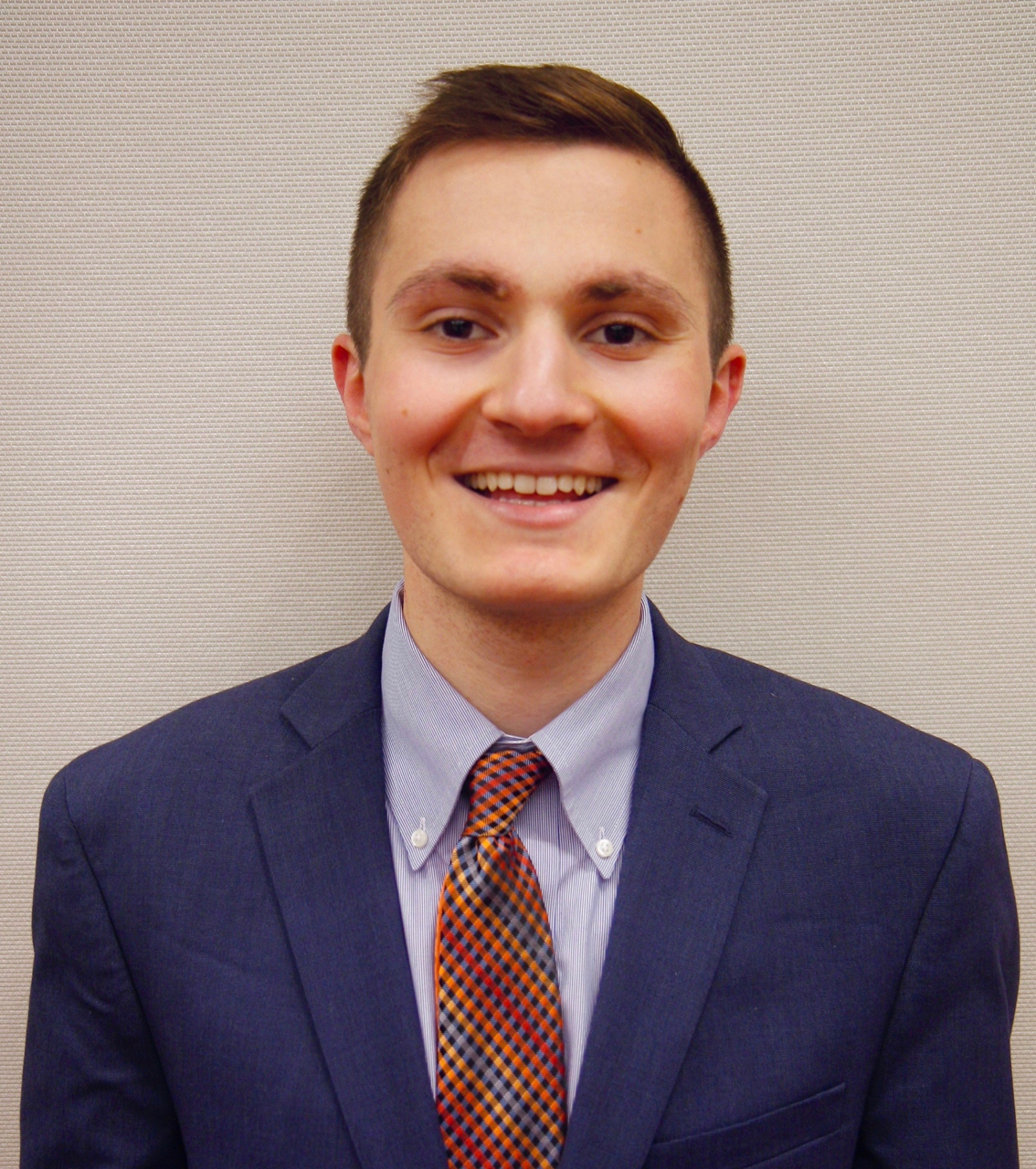
Speaker: Aaron Berman, Research Fellow, Evidence for Policy Design (EPoD)
About the talk: In this talk, Aaron Berman will present an overview of EPoD’s research on cash transfers in developing countries, led by Professors Rema Hanna (HKS) and Ben Olken (MIT). He will focus in particular on two research projects. The first, “Universal Basic Incomes versus Targeted Transfers: Anti-Poverty Programs in Developing Countries,” explores several considerations related to the design and implementation of cash transfer programs and weighs the advantages of targeted programs against universal basic income schemes. The second, “Cumulative Impacts of Conditional Cash Transfers: Experimental Evidence from Indonesia,” evaluates a large-scale policy experiment involving Program Keluarga Harapan (PKH), Indonesia’s conditional cash transfer program, six years after the program’s launch. In this paper, Hanna, Olken, and co-authors show that the conditional cash transfer continues to have large impacts on incentivized health-seeking behaviors and educational attainment for children ages 7 to 15. Additionally, the program has had longer-term impacts on health outcomes, such as stunting, that may require cumulative investments. This project contributes to a relatively new body of knowledge on the long-term impacts of conditional cash transfer programs, which have previously been difficult to estimate.
About the speaker: Aaron Berman is a research fellow at Evidence for Policy Design (EPoD) at Harvard Kennedy School, where he supports the research portfolio of Rema Hanna, Jeffrey Cheah Professor of South-East Asia Studies. He has spent his time at EPoD studying the implementation and impacts of various anti-poverty programs in Indonesia and India. Aaron’s research interests focus on the intersection between economics, public health, and medicine. He has previously worked on projects related to Ebola response in Liberia as well as on state-level drug pricing legislation in the US. He holds a BA from Yale University and an MPH from the Yale School of Public Health.
CID Speaker Series: New Pathways to Inclusive Growth: Sri Lanka Project in Retrospect
November 16, 2018 | 1:00 pm – 2:00 pm

Speakers: Daniel Stock, Research Fellow, CID; Timothy O’Brien, Research Fellow, CID; Sehar Noor, Research Assistant, CID
About the talk: Starting in November 2015, the Center for International Development’s Growth Lab has been engaged in economic policy research with the Government of Sri Lanka. Led by Professor Ricardo Hausmann, the team has focused on a single question: what is holding back investment in Sri Lanka – especially in new and non-traditional export-oriented sectors – and what can the government do about it? In this talk, members of the Sri Lanka team will show what they learned. First, a lack of new economic “knowhow” has meant that there are few easy opportunities for innovative investors to exploit. Next, the investors who do arrive find significant roadblocks to their success; these include policy barriers to reaching markets and key inputs, and infrastructural gaps at the regional level. As these challenges became clear, the team partnered with key counterparts in the government and civil society to support potential solutions, and to better understand the deeper institutional gaps that prevent proactive policymaking.
About the speakers: Daniel Stock rejoined the Center for International Development’s Growth Lab as a Research Fellow in 2015. He also held this position from 2011-2013. He studies how countries apply proactive strategies to promote structural transformation. His research focuses on using network models to uncover new opportunities for diversifying exports and attracting new sources of investment. Prior to joining CID, Daniel was a Junior Professional Associate at the World Bank, working with governments to improve the investment climate for local businesses and FDI. Daniel has also worked as a researcher at the MIT Media Lab’s Macro Connections group, and a Research Intern at the International Labour Organization (ILO) in Santiago, Chile. Daniel earned a B.S. in Quantitative Economics and International Relations from Tufts University.
Tim O’Brien joined the Center for International Development in 2015, working on both Growth Lab and Building State Capability projects.He has led growth diagnostic research in Albania and Sri Lanka. Tim holds a Master in Public Administration in International Development (MPA/ID) degree from the Harvard Kennedy School and a B.S. in mechanical engineering from Northwestern University. Tim served as a Peace Corps volunteer in Malawi from 2008-2010 and has experience working with the World Bank and in environmental engineering. Tim’s research interests center on the challenges of economic transformation and adapting to climate change in developing countries and vulnerable communities.
Sehar Noor is a Research Assistant at the Center for International Development’s Growth Lab. Sehar graduated from Rollins College in May 2016 with honors in Economics and International Affairs. While at Rollins, she served as captain of the debate team, and studied abroad in Cuba and China. Her previous experience includes conducting fieldwork in disaster relief camps as an intern for the Aga Khan Rural Support Program in Gilgit, Pakistan, and interning with the Human Trafficking and Migrant Smuggling Unit of the United Nations Office on Drugs and Crime in Islamabad, Pakistan.
CID Speaker Series: Politicising Inequality: The Power of Ideas
November 2, 2018 | 12:00 pm – 1:00 pm

Speaker: Alice Evans, Associate, Building State Capability Program and Lecturer, King’s College London
About the talk: A contemporary challenge is inequality. In this seminar, Alice Evans will present findings from her paper, “Politicising Inequality: The Power of Ideas”. The paper illustrates why ideas matter, and how they can change over time. Inequalities are reinforced when they are taken for granted. But this can be disrupted when marginalised people gain self-esteem; challenge hitherto unquestioned inequalities; and gain confidence in the possibility of social change. Slowly and incrementally, social mobilisation can catalyse greater government commitment to socially inclusive economic growth. This is illustrated with ethnographic research from Latin America, where income inequality has recently declined. Clearly, however, no single paper can provide a comprehensive account of political change in an incredibly diverse region. By highlighting some ways in which ideas matter (and the limitations of alternative hypotheses about increased fiscal space and democratisation), this paper merely seeks to persuade political economists to go beyond ‘incentives’. Future efforts to tackle inequality might harness the power of ideas: tackling ‘norm perceptions’ (beliefs about what others think and do); publicising positive deviance; and strengthening social movements.
About the speaker: Alice Evans is writing a book on “The Global Politics of Decent Work”. Through comparative research on strengthening corporate accountability, Alice explores how to resolve global collective action problems and improve workers’ rights. She has published on the causes of falling inequality in Latin America; social movements; rising support for gender equality; cities as catalysts of social change; and the politics of maternal mortality.She is a Lecturer at King’s College London, with previous appointments at Cambridge and the LSE.
CID Speaker Series: Hot Topics in Global Health Financing: Accountability, Transition, and the Universal Health Coverage Agenda
October 26, 2018 | 12:00 pm – 1:00 pm
 Speaker: Rachel Silverman, Senior Policy Analyst and Assistant Director of Global Health Policy, Center for Global Development (CGD)
About the talk: Since 2000, a large and complex global infrastructure has emerged to help finance public health improvement in low- and middle-income countries. These institutions have helped drive historic improvements in child survival, HIV mortality, and access to modern contraception—yet serious questions have arisen about their long-term sustainability, their effects on country-led health systems, and whether they create incentives that are misaligned with long-term public health impart. Rachel Silverman, Assistant Director of Global Health Policy and a Senior Policy Analyst at the Center for Global Development, will offer a brief overview of the current health financing architecture. Drawing on her research, she will then introduce and discuss three “hot topics” in global health financing: fiscal and programmatic accountability and incentive models; strategies to “transition” countries away from reliance on external financing; and the movement away from “vertical”, disease-focused financing streams toward a more comprehensive, holistic vision for Universal Health Coverage (UHC).
About the Speaker: Rachel Silverman is a senior policy analyst and assistant director of global health policy at the Center for Global Development, focusing on global health financing and incentive structures. During previous work at the Center from 2011 to 2013, she contributed to research and analysis on value for money, incentives, measurement, and policy coherence in global health, among other topics. Before joining CGD, Silverman spent two years supporting democratic strengthening and good governance programs in Kosovo and throughout Central and Eastern Europe with the National Democratic Institute. She holds a master’s of philosophy with distinction in public health from the University of Cambridge, which she attended as a Gates Cambridge Scholar. She also holds a BA with distinction in international relations and economics from Stanford University.
CID Speaker Series – Going Cashless: An Opportunity to Accelerate Progress on the 2030 Sustainable Development Goals
October 12, 2018 | 12:00 pm – 1:00 pm
About the talk: Billions of dollars in cash payments are made daily in emerging and developing economies, including payment of salaries, social welfare and business transactions. The problem with these cash payments is their lack of transparency, accountability and security. Thanks to technology and connectivity, more people than ever now have access to mobile phones, the internet and cloud-based solutions. How can this digital revolution help us reach the 2030 Sustainable Development Goals (SDGs) more quickly? One way is through moving away from cash. For the nearly two billion people excluded from the formal financial sector, the digitization of payments can open the door to a range of affordable financial services to help them save safely, seize economic opportunities and reduce their vulnerability. But this vision can only be realized if digitization is carried out responsibly and responsively to people’s needs. Come hear how governments all over the world, from India to Kenya, UN agencies from UNHCR to WFP and companies such as H&M or Gap Inc. are shifting from cash to digital payments to achieve transparency, efficiency, reduce corruption, advancing the Sustainable Development Goals.
About the speaker: Tidhar Wald leads the Government Relations and Public Policy teams at the Better Than Cash Alliance, a UN-based partnership of over 60 governments, companies and international organizations that accelerates the global transition from cash to digital payments in order to drive inclusive growth and reduce poverty. At Better Than Cash Alliance, Tidhar oversees the outreach to governments, companies, international organizations and donor governments towards their commitment to digitize payments and work together to build digital economies that are inclusive. Prior to his tenure at the Better Than Cash Alliance, Tidhar held positions in political affairs and government relations for over a decade, including at the United Nations, the Organization for Economic Cooperation and Development (OECD) and Oxfam International. Tidhar holds a Master of Public Policy and International Affairs from Harvard University’s Kennedy School of Government and a Bachelors in Political Science and History from Sorbonne University in Paris.
CID Speaker Series: The International Rules-Based System is Broken: What is to be Done?
October 5, 2018 | 12:00 pm – 1:00 pm
 Speaker: Rt Hon. Andrew Mitchell, British MP and Former Secretary of State for International Development
About the Speaker: Rt Hon. Andrew Mitchell is a British Conservative Party politician who has been the Member of Parliament (MP) for Sutton Coldfield since 2001. He was the MP for Gedling from 1987 to 1997. He served in the Cabinet as Secretary of State for International Development from 2010 to 2012.
Mitchell was elected President of the Cambridge Union in 1978. Before university, he served for several months as a United Nations military peacekeeper in Cyprus. He has extensive pre-government experience of the developing world, and is the founder of Project Umubano, a Conservative Party social action project in Rwanda and Sierra Leone in central and west Africa, launched in 2007.
Mitchell was returned as MP for Sutton Coldfield at the 2017 general election, with a reduced majority.
CID Speaker Series: Can Brexit be Overturned with Other Trade and FDI Agreements?
September 21, 2018 | 12:00 pm – 1:00 pm

Speaker: María C. Latorre, member of the European Commission’s group of experts in International Trade; Professor, Universidad Complutense de Madrid
About the talk: With less than nine months before the UK is scheduled to depart from the EU, much uncertainty surrounds the future EU and UK relationship. It is clear, however, that Brexit will increase barriers between the EU and the UK which will have harmful effects for both economies. According to the majority of economic studies and to our own estimations, Brexit will be far more damaging for the UK than for the European Union (EU). From the economic point of view, it seems less harmful for both to be able to negotiate a soft Brexit with rather small barriers. However, for political reasons the EU may want to deter other nations from following the UK’s path and may want to negotiate a self-damaging hard Brexit.
The negative impact of trade and foreign direct investment seems to be more important than UK’s contributions to the EU budget (with a maximum net fiscal saving of -0.53% of UK’s GDP), or reductions in the flows of migrants. Since massive deportation seems to be ruled out after the pre-agreement of December 8 (2018), the impact of migration would not be so harmful.
UK may try to strike other trade or Foreign Direct Investment agreements with other countries outside the EU. We have studied different policy alternatives for UK and also for the Rest of the European Union (REU) to counteract the harmful impact of Brexit. In particular, we have analyzed a unilateral tariff elimination in the UK, different FDI agreements of this economy with China, Japan and India and a comprehensive trade and FDI agreement with the US (similar to TTIP). While the FDI agreements have a negligible impact on the UK, we find some scope in the unilateral tariff elimination to raise wages and capital remuneration in that economy. When analyzing a UK-US TTIP agreement we find it insufficient to compensate the negative impacts of Brexit. By contrast, in most of the possible Brexit and TTIP joint scenarios, TTIP could be useful for the REU to overturn the limited negative effects it experiences with Brexit.
About the speaker: María C. Latorre is currently a member of the group of experts in international trade of the European Commission. She has also conducted other consulting projects for the World Bank and the Spanish Ministry of Economics and Competitiveness. Maria has been a Research Scholar at the Center for International Development at the Harvard Kennedy School and at Real Colegio Complutense at Harvard University. She has held research visiting positions in the US International Trade Commission, the CEPII and the University of Nottingham. Her papers have been published in academic journals such as World Development, Journal of Policy Modeling, Economic Modelling and China Economic Review among others.
This event is co-sponsored by:

CID Speaker Series: The Humanitarian Crisis in Venezuela – A Conversation with José Miguel Vivanco
September 26, 2018 | 1:15 pm – 2:30 pm
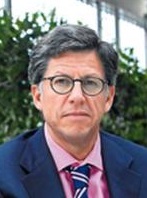
About the talk: The current exodus of Venezuelans has generated the largest migration crisis of its kind in recent Latin American history, as Human Rights Watch has pointed out in its most recent report. More than 2.3 million Venezuelans have left their country since 2014, according to the United Nations, and many others have left whose cases have not been registered by authorities. Venezuelans are fleeing their country for multiple reasons, which includes: Severe shortages of medicine, medical supplies, and food; extremely high rates of violent crime; hyperinflation; and thousands of arbitrary arrests, torture and other abuses against detainees. The director of Human Rights Watch’s Americas division, Jose Miguel Vivanco, will talk about this exodus, its causes and consequences, and the Need for a Regional Response to face the crisis.
About the speaker: José Miguel Vivanco, director of Human Rights Watch’s Americas division, is a general expert on Latin America. Before joining Human Rights Watch, Vivanco worked as an attorney for the Inter-American Commission on Human Rights at the Organization of American States (OAS). In 1990, he founded the Center for Justice and International Law, an NGO that files complaints before international human rights bodies. Vivanco has also been an adjunct professor of law at Georgetown University Law Center and the School of Advanced International Studies at John Hopkins University. He has published articles in leading American and Latin American newspapers and is interviewed regularly for television news. A Chilean, Vivanco studied law at the University of Chile and Salamanca Law School in Spain and holds an LL.M. from Harvard Law School.
This event is being co-sponsored by:

CID 2018 Open House
September 12, 2018 | 4:00 pm – 6:00 pm
