
Student Stories: Learning How to Think Like an Economist in Baku
Ethan Gacek is a dual-degree Master in Public Policy and Master in Business Administration student at Harvard Kennedy School and Harvard Business School. He was accepted into the Growth Lab’s 2024 Summer Internship program and contributed to the ongoing project with Azerbaijan.
Why did you apply to the Growth Lab Summer Internship?
I was excited to apply because of the unique opportunity it provided to research real-world policy questions, grounded in rich academic theory. The Growth Lab’s approach to analyzing economic complexity and diversification, applied to complicated policy contexts around the world, was compelling. Having the opportunity to specifically focus on Azerbaijan’s economic constraints and avenues for green growth was a unique experience I doubt I would have been able to explore without the Growth Lab’s support.
What did you work on?
I focused on green growth as a lever of economic diversification for the economy of Azerbaijan. Forecasted declines in oil-based revenues – the main engine of the economy for decades – combined with a renewed focus on renewable energy as the country gears up to host COP29 in November make this policy lever one of particular interest to Azerbaijan. More specifically, I conducted research on how industrial parks and policy can be “greened” in the context of Azerbaijan. I identified specific product mixes and industries that were strong candidates for a focus on green industrial policy based on factors including their energy and capital intensity, economic complexity, and trade balance relative to key trading partners. I also identified the organizational and operational capabilities that Azerbaijan would be required to deploy in order to enact a green industrial policy platform.
In what ways were you challenged?
On the technical side of things, I faced a learning curve in developing an understanding of the Growth Lab’s methodologies and learning to “think like an economist” given my previous professional training in strategy and consulting. Identifying appropriate data sources and developing concordance amongst different data also proved a worthwhile challenge that stretched my R coding skills. Last, embedding myself in Azerbaijan’s Ministry of Economy required navigating bureaucratic hurdles that – once overcome – led to the development of fruitful relationships.
What was your most exciting/surprising experience?
Having the opportunity to live in Baku this summer was incredibly exciting. Between preparations for COP29 in November and Formula 1 in September, the city pulses with an energy and dynamism I have rarely experienced before. Learning about Azerbaijan’s history – from its tradition in weaving to modern glass skyscraper building projects – was also enriching.
What advice would you give to future interns?
I would advise interns to lean on the shoulders of their Growth Lab colleagues and the prior research done in the specific country in which they are working. Building off a current country engagement, ensuring that one’s work is replicable and consistent (e.g., using the same data sources and methodologies) is key to success. As for on-the-ground experiences, it’s important to have a plan of what one hopes to accomplish but also to be ready to adapt and pivot quickly based on specific stakeholder interests and contextual factors.
What’s next for you?
After finishing my first year in the MPP program this past year, I am returning to Cambridge but going across the Charles to start my MBA at HBS. Then, I will spend a third year finishing degree requirements for both programs. After graduation, I aim to work in the international development sector advancing sustainable, climate-conscious growth policies.
Student Stories: A ‘Diagnostic Eye’ on Green Growth and the Little Things in Morocco
Zihaul Abdi is a second-year MPA/ID student at the Harvard Kennedy School. He was accepted into the Growth Lab’s 2024 Summer Internship Program and contributed to an ongoing project with the Kingdom of Morocco.
Why did you apply to the Growth Lab Summer Internship?
Two main reasons. First, I used the Lab’s resources extensively in my previous job while working on sub-national and sectoral competitiveness in Indonesia. This experience drew me to the Growth Lab’s unique approach to economic development, which views it as a process of “accumulation of capabilities” and uses “diagnostics” to identify the most binding constraints. Second, after spending a lot of time analyzing my own country’s economy, my first year in the MPA/ID program opened my eyes to the diverse challenges other countries face. This inspired me to apply what I’ve learned to different contexts.
What did you work on?
The key theme of my work is green growth. Morocco is well-positioned to benefit from global trends like the energy transition and greenshoring, thanks to its abundant solar and wind resources, proximity to Europe, and strong track record in developing industrial zones. My task was to analyze the data, map out Morocco’s industrial zone capabilities, and explore how the country can leverage these strengths to lead in green industrial parks and seize emerging opportunities.
In what ways were you challenged?
I started with almost no ready-to-use data, so I had to get creative. I ended up web-scraping industrial zone directories from the government’s website, using NASA’s nighttime light data to proxy zone performance, and employing AI to match firm-level with zone-level data without identifiers. Another challenge was learning to incorporate everyday observations into my work. Inspired by how Growth Lab staff approached their visit to Morocco, I began paying closer attention to small details in daily life—conversations with taxi drivers, housekeepers at the Riad, and friends I met at the university. These interactions challenged me to bridge the gap between the data and what was happening on the ground.
What was your most exciting/surprising experience?
One of the most exciting parts was seeing how the things I read in reports or analyzed in my work played out in real life. For example, I spoke with a housekeeper in a Marrakech Riad who struggled to find work in his hometown near the Merzouga desert and worked under tough conditions (no holiday for 1.5 years). This aligned with the data on Morocco’s “left-behind” regions and the prevalence of informal labor. Another memorable conversation was talking to online taxi drivers about the regulatory loopholes concerning traditional vs. online taxis, which gave me a clearer understanding of the constraints related to weak competition and an uneven playing field.
Outside of work, I loved exploring Morocco’s cities. The country is incredibly stunning, with vibrant colors and rich culture, and getting around was easy thanks to its solid transport infrastructure. I also had a fantastic experience with the UM6P community. They welcomed us warmly, invited us for breakfast or tea, and even organized a game night for us. Lately, visiting their main campus in the small town of Benguerir was also a highlight—I saw firsthand how advanced research is being conducted in close collaboration with industry, a true testament to Morocco’s ambition in research and innovation.
What advice would you give to future interns?
Balance work and travel! One of the best parts of being a Growth Lab intern is the chance to work with smart, passionate people while immersing yourself in a new country. Absorb as much as you can from your colleagues, but also make time to explore. Be spontaneous—visit random coffee shops, browse bookstores and, pick up a local novel, explore traditional markets, try the local cuisine, and take a stroll through lesser-known neighborhoods. Attend local events or festivals, hop on public transport just to see where it takes you, and strike up conversations with people you meet along the way. And always keep your “diagnostic eye” open; pay attention to the little things, and you’ll learn so much more.
What’s next for you?
I’m heading into my second year of the MPA/ID program. I’ll also be working on my second-year policy analysis and getting ready to rejoin the labor market!
Student Stories: Evaluating Tourism Data and the Culture in Morocco
Gustavo Sousa Torres is a second-year MPA/ID student at the Harvard Kennedy School. He was accepted into the Growth Lab’s 2024 Summer Internship Program and contributed to an ongoing project with the Kingdom of Morocco.
Why did you apply to the Growth Lab Summer Internship?
I sought a structured environment to maximize my learning during the summer internship. As an MPA/ID candidate, the Growth Lab offered a fantastic opportunity to gain hands-on experience related to core curriculum courses, such as statistics, data analysis using R, and economics. My interest in the Growth Lab’s methodology grew after attending their sessions, where I was captivated by their approaches to tackling development challenges.
What did you work on?
I analyzed Morocco’s tourism sector under the guidance of the Growth Lab. My previous experience at the Brazilian Ministry of Tourism was helpful in this project, allowing me to apply my background while learning extensively about Morocco. The availability of good quality data in Morocco enabled me to compare and evaluate the country’s performance over time across various metrics, such as accommodation, visitor numbers, and international rankings. My work involved analyzing national and international tourism datasets and conducting interviews with research institutions and private sector stakeholders to interpret the data better.
In what ways were you challenged?
Enhancing my R skills was a significant and rewarding challenge. Although I often spent considerable time on seemingly minor tasks, such as tidying datasets and adjusting legends and colors, mastering these skills was gratifying. Before joining the Kennedy School, I had no experience with R, so this experience was crucial in developing my technical capabilities.
What was your most exciting/surprising experience?
The Moroccan hospitality and culture left a lasting impression on me. Even though I had previously visited Morocco for work as a representative of the Brazilian government, spending the summer there allowed me to engage more deeply with Moroccans and appreciate their rich culture. I had the chance to visit Marrakech, Fès, Tânger, and Rabat, where I admired the stunning cities and conducted informal research by conversing with tourism sector workers. These interactions provided useful insights into their challenges and perspectives on the industry. Another pleasant surprise was meeting a diverse group of interns from American and European universities, which allowed me to learn about their research topics in Morocco.
What advice would you give to future interns?
Maintain consistent communication with the Growth Lab team to present your findings and seek guidance throughout the project. Understand that the internship supports the broader project goals, so have a clear grasp of how your work contributes to the overall objectives. Don’t hesitate to ask for help when facing challenges, whether in contacting stakeholders or conducting data analysis. The Growth Lab team is always supportive and offers constructive feedback, and I’m delighted with my experience.
What’s next for you?
I aim to develop my data analysis skills further to provide more profound insights and apply what I learned at the Growth Lab in different contexts, including Brazil. My long-term goal is to return to the Federal Government of Brazil, where I can utilize the knowledge gained in various fields to help design innovative public policies.
Student Stories: Looking into Interest Rate Margins in Azerbaijan
Masato Nakajima is a second-year MPP Candidate at HKS. He was accepted into the Growth Lab’s 2024 Summer Internship Program and contributed to our team working with the Azerbaijan Ministry of Economy, focusing on the banking sector.
Why did you apply to be a Growth Lab intern?
I applied to the Growth Lab internship because I believe that it would be an essential cornerstone of my graduate school experience and my interest in international finance and economic policy.
What did you work on this summer?
I worked on researching policy solutions for relatively low private-sector credit in Azerbaijan. My main focus was especially on the high-interest rate margins of the banking sector in the domestic currency market, and I investigated its determinants from the scope of financial dollarization/de-dollarization measures.
In what ways were you challenged?
I had only worked in Japan before going to HKS, and this project was my first exposure to working on an actual project of a foreign country. It was challenging and exciting to learn about a new region and a new project. Since it was my first visit to the country, I made efforts to understand the contexts that were not represented in the data by asking questions to various people. (Sometimes even in Hammams!)
What was your most exciting/surprising experience?
The most exciting experience was working at the Central Bank of the Republic of Azerbaijan in Baku. It was very exciting engaging with the officials at the Central Bank exchanging our ideas. I also personally fell in love with the country’s culture as well, through interaction with the people!
What advice would you give future Growth Lab interns?
If you want to do economic research for your summer, especially in a foreign country, I will definitely recommend Growth Lab!
What’s next for you?
The internship has further increased my interest in international finance and economic policy, and I hope to continue working on these topics after graduating from Harvard Kennedy School.
Student Stories: Building Coding Skills to Diagnose Structural Constraints in Morocco’s Labor Market
Valeria Churango is a second-year MPA/ID student at Harvard Kennedy School. She was accepted into the Growth Lab’s 2024 Summer Internship program and contributed to the ongoing project in Morocco.
Why did you apply?
I applied to the Growth Lab’s summer internship because it was a great opportunity to apply my analytical skills in a new environment. The chance to explore labor dynamics in Morocco, especially focusing on the challenges related to female labor force participation, aligned perfectly with my interests. Plus, the opportunity to practice my French while working on this project during the summer made the experience even more appealing.
What did you work on?
During my internship in Rabat, I focused on diagnosing the structural constraints in Morocco’s labor market, such as informality and female participation. My role involved data analysis and programming, where I applied my coding skills to uncover these constraints. It was an intensive dive into the data, but it also gave me insights into the real-world implications of these issues.
In what ways were you challenged?
As someone from Peru, adapting to a new environment was my first challenge, especially since it was my first time in a MENA country. Learning about the local traditions and social norms was fascinating, but it also meant stepping out of my comfort zone. On top of that, I had to improve my R coding skills to manage the data processing tasks.
What was your most exciting/surprising experience?
One of the highlights of my internship was conducting qualitative analysis for the first time. We interviewed locals to understand how labor market dynamics work in Morocco. This added a new dimension to my work and helped me see the bigger picture. It was exciting to combine this qualitative approach with the quantitative data I was analyzing.
What advice would you give future Growth Lab interns/RAs?
Make the most of your time by exploring the city (and the country) and connecting with locals. Spending ten weeks in a different environment offers insights that data alone cannot provide. Also, this internship is a great opportunity to bridge the gap between theory and practice, allowing you to apply the skills learned in class to real-world challenges.
What’s next for you?
As I return to HKS for the second year of the MPA/ID program, I am excited to continue building on the knowledge and skills I developed during my internship. My experience at the Growth Lab has deepened my interest in labor dynamics and the challenges women face in the workforce, and I am eager to continue exploring these areas.
Student Stories: Developing the Nagorno-Karabakh region in Azerbaijan
Hussaini Shan-e-Abbas is a second-year student in the Master in Public Administration in International Development (MPA/ID) Program at Harvard Kennedy School. He was accepted into the Growth Lab’s 2024 Summer Internship program and contributed to the ongoing project with Azerbaijan.
Why did you apply to the Growth Lab Summer Internship?
I applied to the Growth Lab Summer Internship to gain my first research experience and to apply the skills I developed during my first year in the MPA/ID program. I was particularly drawn to the Lab’s commitment to evidence-based, applied research and policymaking. My interest in macroeconomics aligned perfectly with the scope of the Azerbaijan project, especially in understanding how an oil-dependent economy can transition towards sustainable economic diversification. Lastly, the opportunity to spend a fully-funded summer in the beautiful country of Azerbaijan, immerse myself in its culture, and interact with local people was incredibly appealing.
What did you work on?
A very interesting work stream within the Azerbaijan project pertained to subnational analysis that sought to understand why economic opportunities across the country are not uniform. My work involved evaluating the regions of Nagorno-Karabakh and East Zangezur to assess the regional constraints and growth potential. I analyzed the current government reconstruction efforts, the available productive assets, and the challenges associated with the redevelopment process. To inform my analysis, I examined case studies of other conflict-ridden regions that achieved economic development post-conflict. Based on this analysis, I helped develop recommendations for the sustainable development of these regions. This exercise also enabled me to apply my learnings, particularly the policy trinity i.e., solutions to be technically correct, politically supportable, and administratively feasible.
In what ways were you challenged?
The internship offered a blend of intellectual and professional challenges. Initially, I felt overwhelmed by the various work streams, but by breaking the project into manageable parts, I could focus my efforts effectively. Tackling a broad challenge like developing fragile regions required transforming complex issues into actionable research areas. My interactions with stakeholders and colleagues and my in-depth literature review highlighted the complexity of these issues, with no easy answers to these questions. However, I was able to apply many of the skills I gained during my first year in the MPA/ID program. This was also my first experience in a research role, which was challenging but deeply rewarding.
What was your most exciting/surprising experience?
One of the most exciting aspects of my internship was engaging with key stakeholders, including government ministries, agencies, and think tanks. These interactions not only enriched my research but also expanded my network. A highlight was briefing the Advisor to the Minister of Economy on our ongoing work and findings, as well as meeting with the Special Advisor to the President for the Nagorno-Karabakh region, who provided invaluable insights. What surprised me the most was how united the people of Azerbaijan are. Their pride in their country and reverence for their leadership stood in stark contrast to the societal divisions I’ve observed in Pakistan. This sense of unity was truly remarkable and added a deeper layer to my understanding of the region.
What advice would you give to future interns?
I recommend being proactive in seeking clarity about the project’s scope and your role. It’s normal to feel overwhelmed by the complexity and uncertainty of the work. Developing strong time management skills and understanding what’s achievable within a 10-week period can help you pace and organize your tasks effectively. Don’t hesitate to ask for help—your colleagues at the Lab are incredibly supportive and always willing to assist. Additionally, take the opportunity to learn beyond the internship itself. I explored Baku and other parts of Azerbaijan, and my interactions with the locals not only enriched my experience but also deepened my research insights. This is a unique chance to live in and explore another culture—make the most of it!
What’s next for you?
As I begin my final year of the MPA/ID program at Harvard Kennedy School, I am eager to continue exploring the intersection of economic development and data-driven policymaking. My experience with the Growth Lab has significantly enriched my understanding of these areas, and I am grateful for the invaluable support and insights from my colleagues. Looking ahead, I am excited to apply these learnings in future projects and opportunities, and to further contribute to impactful policy solutions.
Student Stories: The Green Transition and Aguachile in Hermosillo, Mexico

Bryan Tam is a second-year MPA/ID student at Harvard Kennedy School. Bryan was accepted into our Summer Internship program and contributed to our ongoing project examining productive diversification in Hermosillo, Sonora, Mexico.
Why did you apply to the Growth Lab Summer Internship?
I applied to the Growth Lab Summer Internship because I was drawn to the idea of working on economic development projects in a cultural and political context different from what I was familiar with. Through its project in Hermosillo (Mexico), the Growth Lab provided me with that opportunity. Coming from Malaysia, Latin America is halfway around the world and was not a cultural or political context that I frequently encountered. The topic of potential economic opportunities arising from recent trends in nearshoring and the green transition held significant interest for me as well.
What did you work on?
I worked on a diagnostic assessment to evaluate the viability of several potential economic opportunities emerging from recent trends in nearshoring and the green transition, including solar panel manufacturing, EV battery manufacturing, and semiconductor manufacturing. This involved understanding the prerequisites for a region to be competitive in these industries and assessing whether these prerequisites were present or likely to be present in Sonora.
In what ways were you challenged?
Unsurprisingly, the language barrier was one of my biggest challenges while in Mexico. The primary language in Mexico is Spanish, and having had no prior knowledge of the language, it took me time to learn some basic Spanish and conduct research on information sources, which were primarily in Spanish. I remember how reliant I was on sign language and Google Translate on my first night in Mexico—many frantic gestures and Duolingo lessons later, I am happy to say that I can navigate a restaurant and order food in Spanish (well, sort of, assuming the waiter speaks slowly and doesn’t use too many words I haven’t learned on Duolingo).
What was your most exciting/surprising experience?
My most surprising experience was discovering how friendly and hospitable Mexicans are! A special shoutout goes to my client counterpart, Fernando, who went out of his way to show me around Sonora and introduce me to his family. He truly made me feel welcome in a very foreign country and gave me a lot of advice as I traveled around Mexico. This is not to forget everyone else who also displayed the incredible hospitality that I now associate with Mexico—Manuel, Alejandro, Nitzia, and many others that I have met. Their warmth and kindness really made me appreciate Mexico so much more and enriched my overall experience.
What advice would you give to future interns?
My advice is to be open to exploring new places and having new experiences. The foreign geographies that Growth Lab interns are usually placed into hold so many cultural experiences for those not accustomed to them. Speaking from my own experience, I am very happy that I took the plunge and explored a place very different from what I was used to. Otherwise, I would never have experienced the incredible hospitality that a different culture could show me, tasted the delicious tacos and other foods (e.g., aguachile) that Mexico had to offer, or seen its breathtaking sights and sceneries.
What’s next for you?
I am still figuring out what’s next for me, but right now, I am focused on how to spend my second year well. It will be my final year at the Harvard Kennedy School, and inspired by my time in Mexico; I want to make it as fun and meaningful as possible. My experiences in Mexico have made me more open to stepping outside my comfort zone, and I may do so in my second year.
Student Stories: Morocco’s Female Labor Force and Cultural Delicacies
Anjali Nair is a second-year MPA/ID student at Harvard Kennedy School. She was accepted into the Growth Lab’s 2024 Summer Internship Program and contributed to the ongoing project in Morocco.
Why did you apply to the Growth Lab Summer Internship?
I wanted to deepen my understanding of growth diagnostics in practice, and this internship seemed like the perfect opportunity to do so. The Growth Lab team is known for asking insightful questions, formulating hypotheses, and building models to uncover each region’s binding constraint. Additionally, I’m particularly passionate about work at the intersection of gender and development. The chance to research Morocco’s low female labor force participation with the team and spend 10 weeks in Rabat was an opportunity I couldn’t pass up.
What did you work on?
My project centered on identifying the factors behind Morocco’s low female labor force participation. I started by reviewing existing research and consulting with experts at UM6P, the local university, and attending regional employment seminars. However, the most critical insights came from conducting qualitative interviews with women across Morocco. These conversations revealed that caretaking responsibilities and the scarcity of quality job opportunities were driving many women out of the labor force, and some even into the informal sector. Hence, to complement the team’s analysis of micro-risks, I delved into Moroccan labor regulations, focusing on those related to informality and gender-specific laws. In the final two weeks, I shifted my focus to firm-level data, where I analyzed wage and hiring trends across various industries and regions, which also helped me hone my coding skills.
In what ways were you challenged?
Two challenges stood out. First, grasping Morocco’s cultural context was crucial, especially when tackling complex issues like female labor force participation. It was important to distinguish whether women were choosing not to work out of personal preference or if they were constrained by family expectations, limited connections, or poor job quality. The qualitative interviews were essential in bridging the gap between existing reports and the lived experiences of Moroccan women. The second challenge was the scarcity of accessible official data. Initially, this seemed like a significant hurdle, but by partnering with local experts and students, we discovered alternative data sources, conducted our own interviews, and pieced together government reports to form a coherent narrative.
What was your most exciting/surprising experience?
The highlight of my experience was the extraordinary warmth of Moroccan hospitality. During our qualitative interviews, a UM6P student invited us to meet her extended family. What we anticipated as brief interviews around female labor force participation evolved into a memorable cultural exchange. Each home welcomed us with a spread of Moroccan delicacies—msemen, harcha, batbout, baghrir, and a willingness to share their experience with us. We were even invited to stay overnight, and the next afternoon, the matriarch even prepared couscous—a dish typically reserved for Friday family gatherings. I was especially touched when they went out of their way to make a vegetable couscous for me, knowing I didn’t eat meat. Additionally, learning to make baghrir from scratch, traditional fluffy pancakes best enjoyed with mint tea, is a memory I’ll always cherish. This experience truly embodied the essence of Moroccan kindness.
What advice would you give to future interns?
Come prepared to take initiative. Many focus areas at the Growth Lab are self-directed, so it’s crucial to set your own schedule and seek help when needed. Additionally, one of the most rewarding aspects of the internship is building connections with locals. I strongly recommend immersing yourself in a local community, whether in Morocco or another country. I started in a university dorm but quickly moved to the city, which enabled me to form deeper friendships and fully experience life in the country.
What’s next for you?
I’m entering my final year in the Master’s in Public Administration in International Development program. Building on my passion for gender-focused research and data analysis, I plan to focus on elective courses that deepen my expertise in these areas. Additionally, I’m excited to be back leading the next Women in Power Conference, where I’ll be dedicating time to organize discussions around gender equity and leadership.
Student Stories: Developing Global Metrics to Understand Country-Level Openness to Migration
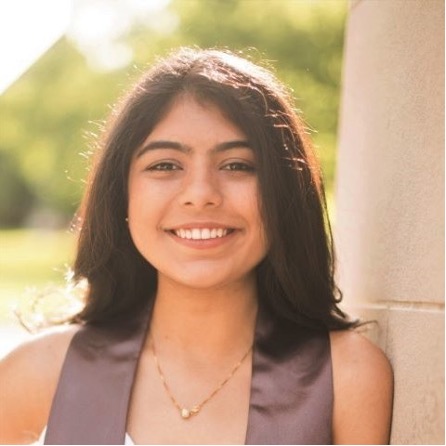
Zahra Asghar is a second-year JD/MPP student at the Harvard Kennedy and Harvard Law Schools. She was accepted into the Growth Lab’s 2024 Summer Internship Program and contributed to the ongoing Migration project funded by the Templeton World Charity Foundation – an initiative aimed at developing de facto measures of country-level openness to migration and understanding which countries are most effective at integrating migrants.
Why did you apply to the Growth Lab Summer Internship?
I have been working on the ground in refugee resettlement and migrant support in some capacity since I was fifteen. Over the last decade, I have seen migration advocates increasingly begin making economic arguments in favor of migration, as opposed to the moral or political arguments that were effective in the past. This project would allow me the opportunity to understand the research underlying these arguments in more detail – what impacts have already been proven in the research, what gaps remain, and how such research is communicated to drive impact. While getting this exposure, I would also get the opportunity to work with a team on the cutting edge of answering the most critical questions on the topic!
What did you work on?
There are two primary areas the team is focused on – developing a de facto measure of openness to migration (as opposed to a de jure measure, such as a consolidated database of visa restrictions) and understanding which countries were most effective at integrating migrants. By May, when I began my work with the project, the openness measures had already been developed, so I focused on identifying potential use cases for the research and presentation materials for validation discussions with NGOs and other researchers. In terms of the economic integration question, I focused on consolidating and validating the initial cross-country dataset that will be used for analysis in the fall. I also began an initial literature review on the ways in which immigration can drive economic complexity and exports, to prepare for potential future questions the team might ask.
In what ways were you challenged?
As someone not coming from an academic research background, I spent much of the first weeks of the research project reading through the relevant literature and working to understand the methodology of the work. Thankfully, the team was immensely patient and ensured I got up to speed relatively quickly. Later in my experience, when it came to developing the integration database, many of the research databases we were pulling from were in languages that I had little to no fluency in, testing my ability to work in a foreign data environment and my ingenuity with Google translate.
What about this research most excites you?
I think this research has the potential to help a number of different types of stakeholders – countries, non-profit organizations, multilaterals, and academics – better understand the ‘softer’ levers that can influence immigration beyond visa restrictions or economic incentives. For countries with aging populations, increasing immigration is one lever they can use to stabilize their economies and drive growth, and understanding these types of factors can help inform best practices for attracting new immigrant populations and ensuring they are effectively integrated into their new communities.
What advice would you give to future interns?
Take advantage of your time at the Growth Lab! The teams are really invested in student growth, and the Lab is a fantastic place to learn. If you have a research question you are particularly interested in related to the project you are working on, you should share it with your team and carve out time to work on it while you have access to all the expertise they – and the broader Growth Lab Team – offer!
What’s next for you?
I have three years remaining of my joint policy and law degree. Over the next few years, I hope to work in public interest spaces around civil rights, including migrant rights and international human rights. This research experience has given me an important fluency in statistical research and migration literature that will greatly inform those experiences and make me more effective in driving impact.
Student Stories: Exploring Sovereign Wealth Funds and the Architecture of Baku
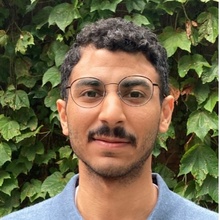
Abdullah Helal is a second-year student at Harvard Kennedy School. As part of the Growth Lab’s 2024 Summer Internship Program, he contributed to the project in Azerbaijan. The project focuses on advancing research and evidence-based policy development to address the challenges of economic diversification and job creation in a country transitioning from oil dependency.
Why did you apply to be a Growth Lab intern?
I applied for the Growth Lab internship because I wanted to gain firsthand experience working in an applied research think-tank that tackles the critical economic challenges facing countries today. The Growth Lab’s rigorous approach to economic analysis, which goes beyond traditional management consulting, deeply resonated with me. I valued the opportunity to contribute to impactful research while honing my skills in a setting that prioritizes evidence-based solutions.
What did you work on this summer?
This summer, I conducted a comparative analysis of sovereign wealth funds and their role in economic development, with a particular focus on the State Oil Fund of the Republic of Azerbaijan (SOFAZ). My research evaluated how SOFAZ and other sovereign wealth funds allocate their assets to balance economic development goals with their savings and stabilization mandates.
In what ways were you challenged?
I was challenged to move beyond merely descriptive research to a more analytical approach. My supervisor (shout-out to Felicia Belostecinic) set high expectations for not just the depth of analysis but also for how it was framed within a coherent and compelling narrative. The research needed to be both rigorous and practically applicable, contributing meaningfully to the overall project and addressing real economic challenges. I appreciated this push, as it helped me grow and ensured that my work was impactful.
What was your most exciting experience?
My most exciting experience was visiting Baku and immersing myself in its rich beauty, culture, and cuisine. As I roamed the city, I spent considerable time learning about its political and economic history, feeling as though I was truly discovering a new corner of the world. The city’s architecture was a visual delight, ranging from the UNESCO World Heritage Site of the Old City of Baku to the futuristic Zaha Hadid–designed Heydar Aliyev Center.
What advice would you give future Growth Lab interns?
My advice to future Growth Lab interns is to be proactive. The experience is largely self-guided, but you’ll have all the support you need from the Growth Lab team. The more prepared you are with a clear research topic, the more effectively you’ll be able to use your time during the internship.
What’s next for you?
I’m returning to the Kennedy School to begin my second year in the MPA/ID program. I’ll be focusing on my Second Year Policy Analysis (SYPA) paper, and I believe my experience at the Growth Lab has given me a solid understanding of the research process, which will be invaluable as I work closely with my academic advisor.