
CID SPEAKER SERIES: Using and Generating Evidence for Policymaking: Security Interventions in Bogota
April 6, 2018 | 12:00 pm – 1:30 pm
Speakers: Daniel Mejia, Secretary of Security of Bogota & Chris Blattman, Professor of Global Conflict Studies, Harris School of Public Policy
Moderator: Thomas Abt, Senior Research Fellow, Center for International Development at Harvard University
About the talk: To better understand which security policies are most effective, the Mayor’s office of Bogota is testing and evaluating several policies, from “hotspot” policing to “broken windows” interventions. Join Daniel Mejia, current Secretary of Security and former Professor at Universidad de los Andes in Colombia, and Christopher Blattman, Professor at the Harris School of Public Policy, to discuss the challenges, the learnings and the opportunities from a policymaking perspective.
About the Speakers:
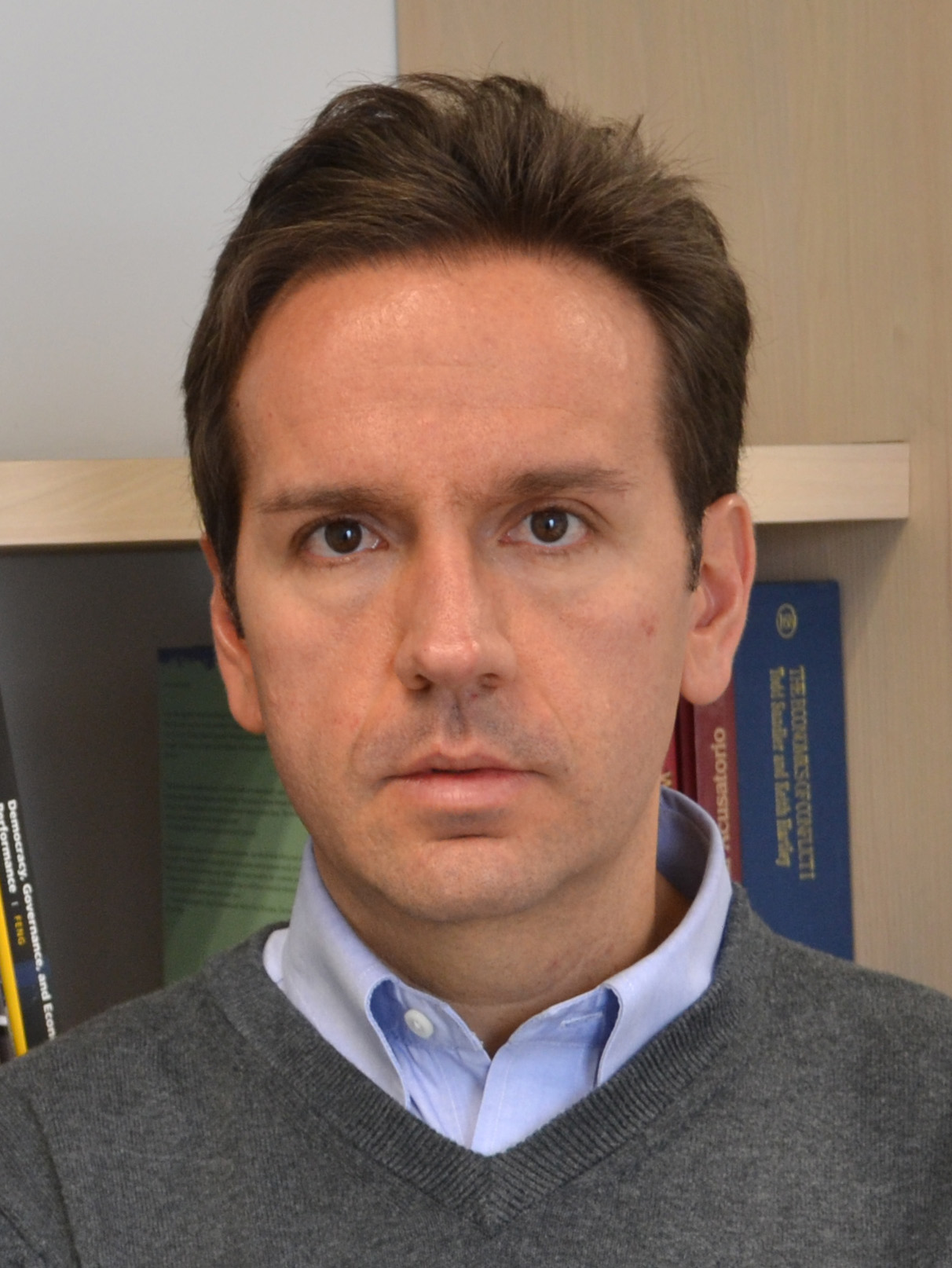
Daniel Mejia is Secretary of Security of Bogota, Colombia, where he is in charge of leading security and justice policies in the city of Bogota. Before becoming the first Secretary of Security of Bogota, Daniel was Associate Professor in the Department of Economics and Director of the Research Center on Drugs and Security (CESED) at Universidad de los Andes in Bogota, Colombia, where he taught since 2006. He received a BA and MA in Economics from Universidad de los Andes and a MA and PhD in economics from Brown University. Prior to joining Universidad de los Andes he worked as a researcher at the Central Bank of Colombia and Fedesarrollo. Daniel he has been actively involved in a research agenda whose main objective is to provide independent economic evaluations of security and anti-drug policies implemented in Colombia. In 2008 he was awarded Fedesarrollos´s German Botero de los Ríosprize for economic research. Daniel has designed and evaluated different interventions aimed at reducing crime in cities such as Medellin, Bogota and Cali. Among these, Daniel designed (together with the National Police and the Ministry of Defense) a hotspots policing intervention in Medellin and carried out an independent evaluation of this intervention. Also, he has evaluated the effects of the installation of CCTV cameras on crime in Medellin and the effects of the restriction of alcohol sales on crime in Bogota. Daniel, together with Alejandro Gaviria, published in 2013 the book “Políticas antidroga en Colombia: éxitos, fracasos y extravíos” (Anti-drug policies in Colombia: successes, failures and lost opportunities) at Universidad de los Andes, in Bogota. Between 2011 and 2012, Daniel was a member of the Advisory Commission on Criminal Policy and more recently he was the President of the Colombian Government´s Drug Policy Advisory Commission. In March 2015 Daniel was awarded the Juan Luis Londoño prize, awarded every other year to the best Colombian economist under 40.
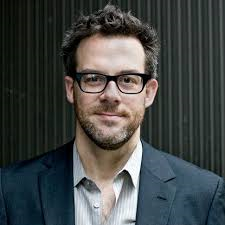
Chris Blattman is the Ramalee E. Pearson Professor of Global Conflict Studies at The University of Chicago’s Pearson Institute and Harris Public Policy. He is an economist and political scientist who studies poverty, violence and crime in developing countries. He has designed and evaluated strategies for tackling poverty, including cash transfers to the poorest. Much of his work is with the victims and perpetrators of crime and violence, testing the link between poverty and violence. His recent work looks at other sources of and solutions to violence. These solutions range from behavioral therapy to social norm change and local-level state building. He has worked mainly in Colombia, Liberia, Uganda, Ethiopia, and Chicago’s South Side. Dr. Blattman was previously faculty at Columbia and Yale Universities, and holds a PhD in Economics from UC Berkeley and a Master’s in Public Administration and International Development (MPA/ID) from the Harvard Kennedy School. He chairs the Peace & Recovery sector at Innovations for Poverty Action (IPA) and the Crime, Violence and Conflict initiative at MIT’s Poverty Action Lab (JPAL).
This is event is co-sponsored by the Center for International Development, the Latin American Caucus and the David Rockefeller Center for Latin American Studies.
CID SPEAKER SERIES: Delivering life saving medical commodities in the developing world: How new technologies and approaches are making supply chains work in low resource settings.
March 30, 2018 | 12:00 pm – 1:00 pm
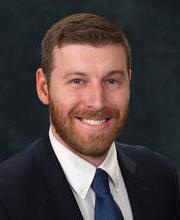
Speaker: Jamey Butcher – Executive Vice President, Chemonics
About the talk: In January 2016, Chemonics International was awarded the Global Health Supply Chain – Procurement and Supply Management (GHSC-PSM) program. GHSC-PSM is the largest project ever awarded by USAID, and is tasked with procuring and delivering the HIV AIDS, malaria, reproductive health, maternal and child health and other critical medical commodities provided to more than 60 developing countries on behalf of the US Government. Mr. Butcher has led this program since June of 2017 and will discuss the challenges associated with procuring and delivering public health products to medical facilities throughout the developing world and the new technologies and approaches that are making supply chains work in low resource settings.

About the speaker:Since joining Chemonics International Inc. in 1998, Executive Vice President Jamey Butcher has served in a variety of roles and regions. Mr. Butcher currently oversees the Global Health Supply Chain – Procurement and Supply Management IDIQ. Previously he served as senior vice president for the Strategic Solutions and Communications Division; East Africa region; and Europe and Eurasia region. He has also led a number of business development initiatives diversifying the company’s portfolio. While providing strategic management and operational oversight of Chemonics, Mr. Butcher draws from experience as a private sector development specialist with more than 20 years of experience in Eurasia, Latin America, and Asia. Mr. Butcher has conducted technical assignments on supply chain management, international trade, competitiveness, and enterprise development. He also served as chief of party of the Armenia Micro Enterprise Development Initiative (MEDI). Mr. Butcher received an M.A. from American University in international political economy and a B.A. in political science from Colorado State University.
Public Lecture with Susi Pudjiastuti: The State of Fisheries in Indonesia and Beyond
March 12, 2018 | 4:00 pm – 6:00 pm

Speaker: Susi Pudjiastuti, Indonesia Minister of Maritime Affairs and Fisheries.
About the talk: Indonesia Club at Harvard is proud to facilitate a public lecture and Q&A session with multiple award-winning Minister of Maritime Affairs and Fisheries of Indonesia, Susi Pudjiastuti. In this event, she will share about the state of fisheries in Indoenesia and beyond, and answer all your curiosities about her leadership approach.
This event is co-sponsored by the Center for International Development’s Evidence for Policy Design Program.
Seat is limited! Please RSVP to guarantee a spot.
CID SPEAKER SERIES: Democratizing PDIA knowledge one development practitioner at a time: experience from the online course
March 23, 2018 | 12:00 pm – 1:00 pm
Speaker: Salimah Samji, Director, Building State Capability Program – Harvard University.
About the talk: Salimah will share the learnings from teaching the PDIA (Problem-Driven Iterative Adaptation) Methodology to hundreds of practitioners worldwide through the Program’s online course. She will describe the “real world” challenges of applying this methodology and share success stories of practitioners worldwide.

About the Speaker: Salimah Samji is the Director of the Building State Capability (BSC) Program. She has over fifteen years of experience working in international development, on issues of public service delivery, transparency and accountability, strategic planning, and monitoring and evaluation. She joined CID in 2012 to help create the BSC program and is responsible for strategic planning and oversight. Salimah also leads the PDIA online courses.
Prior to joining CID, she was an independent consultant working for the World Bank on issues of governance, and the Hewlett Foundation on strategic planning for one of their grantees. She has worked as a senior program manager at Google.org, leading a transparency and accountability initiative focused on empowering citizens and decision makers, by making information on service delivery outcomes, publicly available. Salimah has also worked at the World Bank as a social/rural development and monitoring and evaluation specialist in South Asia.
She has a Bachelor of Mathematics from the University of Waterloo (Canada) and a Masters in Public Administration in International Development (MPAID) from the Harvard Kennedy School. She is a qualified Casualty Actuary who decided to change careers after her 18-month experience working in Afghan refugee camps with a Canadian NGO (FOCUS Humanitarian Assistance) based in Pakistan. Salimah has worked and lived in Kenya, India, Pakistan, Tajikistan, Canada and the USA.
CID Speaker Series: Modern Populism… How to End it?
March 8, 2018 | 5:15 pm – 6:30 pm

Speaker: Felipe Kast, Senator of Chile for the period 2018-2026. Former Minister of Social Development and 2017 Presidential Candidate.
About the Talk: One of the puzzles of modern democracy is populism. Why, despite its multiple failures, again and again populism reincarnates, with huge costs for citizenship. Today Venezuela suffers from populism in its worst expression, but there are many other countries that suffer from the same phenomenon. In this presentation I make a brief description about the tricks used by modern populism, and gave some ideas to fight it.
About Felipe Kast: Felipe Kast is a Senator, and during 2017 he was Presidential candidate in Chile. Felipe was trained as economist in Chile, studied Marxism at the University of Havana, and he obtained his PhD at Harvard University. After graduation he worked at the Poverty Action Lab, opening the office for Latin America. Later he was appointed Minister of Social Development, and Presidential Delegate for Reconstruction after the Earthquake on February 27, 2010. In 2012 he founded “Evópoli”, a new political party that seeks to put children, and the childhood agenda, as the first national priority.
Space is limited. Please come in early to secure a seat.
Leadership in Global Environmental Conflicts: A Conversation with Yolanda Kakabadse
March 5, 2018 | 1:00 pm – 2:00 pm
Speaker: Yolanda Kakabadse, Minister of the Environment, Ecuador (1998-2000), President, WWF (2010-2017) and President, International Union for the Conservation of Nature (1996-2004)
Moderator: Rand Wentworth, Louis Bacon Senior Fellow in Environmental Leadership, Center for Public Leadership
About the session: Please join us for a discussion with Ecuadorian conservationist and former President of WWF, Yolanda Kakabadse. Ms. Kakabadse will join CPL Louis Bacon Senior Fellow in Environmental Leadership Rand Wentworth in conversation about her expansive cross-sector career in environmental policy and conservation. Ms. Kakabadse will also discuss her experience leading in conflict, particularly in Latin America, where she served as Ecuador’s Minister of the Environment from 1998-2000. This lunch discussion will be an excellent opportunity to hear about Ms. Kakabadse’s experiences as an environmental entrepreneur, policy maker, and non-profit leader on the global stage.
This event is part of CPL’s Environmental Speaker Series and is co-sponsored by the Center for International Development at Harvard University. Lunch will be served.

Growth Diagnostics in Real Life: CID’s Project in Sri Lanka
March 2, 2018 | 1:00 pm – 2:00 pm
Speaker: Tim O’Brien, Research Fellow at the Center for International Development at Harvard University
About the Talk: In 2009, Sri Lanka emerged from a nearly 30-year conflict and entered a short period of accelerated economic growth. In January 2015, in a surprise result, the Sri Lankan people voted out of office an increasingly autocratic President who was widely credited with ending the civil war. The new government promised institutional reform to deliver good governance and achieve reconciliation, but they also soon discovered that Sri Lanka’s economic growth was built on a fundamentally unsustainable foundation.
At the invitation of the Government of Sri Lanka, CID began economic research in the country in late 2015, with a focus of understanding how growth could be made more sustainable and more inclusive. Tim O’Brien will talk about CID’s ongoing work in Sri Lanka, focusing on how CID applied the growth diagnostic framework in practice, several of the main findings, how project activities were informed by the findings, and some of the results that can be partially attributed to CID’s work so far.
24th Annual Global Development Conference
About the Conference: Our world is rapidly changing. The rise of populism, the migration crisis and the threat of climate change are driving development initiatives to evolve and adapt to these new dynamics. The 24th student organized edition of the annual Global Development Conference will debate the future, and envision a future shaped through shared innovation, values and partnerships.
For over 20 years, the Global Development Conference has offered a world-class forum for the exploration of new trends in the international development world. The conference is a thriving platform for decision-makers, practitioners, experts, academics and emerging young leaders to engage with one another and make new connections. Each year, the conference attracts over 500 participants, inspiring ideasharing and innovation around the best ways to address the most pressing problems of our time.
http://globaldevelopmentconference.com/
Confirmed speakers include: Achim Steiner, UNDP Adminstrator and Vice- Chair of the UN Development Group, and Kanni Waignaraja, Director of UN Development Operations Coordination.
Content:
Track I: Technological Revolution How are technological advancements improving development initiatives? This track will explore the opportunities and challenges of using new technologies in the pursuit of development.
Track II: Innovative Financing New forms of financing development projects are emerging across the world. They bear hope of a more targeted and sustainable model that looks beyond international aid. This track will explore all of the latest trends, from impact investment to the rise of Chinese aid.
Track III: Human Development We need to move away from using GDP as a measure of development and instead assess the welfare and capacity of human beings. This track will explore specific contemporary issues and consider policies, programs and models to tackle them. Join your fellow colleagues, leaders, innovators, entrepreneurs, donors, and others in thought-provoking discussions that will define our collective actions to make our world a better place for generations to come.
Tickets: Limited early bird tickets are now available for students and professionals: 200 tickets are going for $25 for students and are available on a first come first serve basis.
REGISTER HERE
For more information, please contact edom_tsegaye@hks18.harvard.edu / +1 617 417 7626
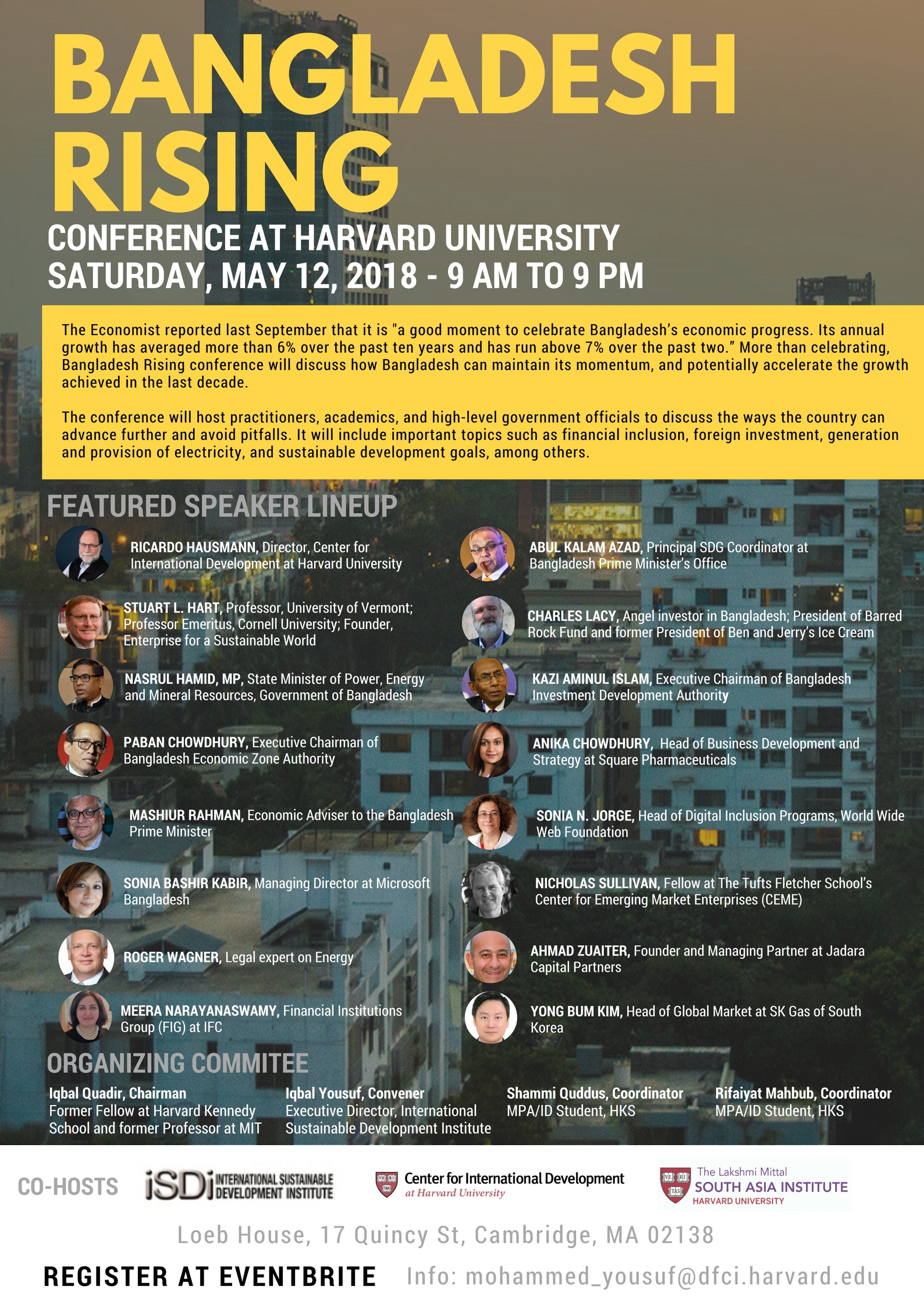
Bangladesh Rising: Conference at the Harvard Kennedy School
ABOUT THE CONFERENCE: The Economist reported last September that it is “a good moment to celebrate Bangladesh’s economic progress. Its annual growth has averaged more than 6% over the past ten years and has run above 7% over the past two.” More than celebrating, Bangladesh Rising conference will discuss how Bangladesh can maintain its momentum, and potentially accelerate the growth achieved in the last decade. The conference will host practitioners, academics, and high-level government officials to discuss the ways the country can advance further and avoid pitfalls. It will include important topics such as financial inclusion, foreign investment, generation and provision of electricity, and sustainable development goals, among others.
REGISTRATION: https://www.eventbrite.com/e/bangladesh-rising-2018-international-conference-at-harvard-university-tickets-43058369743
SPEAKERS:
- Ricardo Hausmann, Director of Center for International Development at Harvard Kennedy School (HKS)
- Stuart L. Hart, Professor, University of Vermont, Professor Emeritus, Cornell University, Founder of Enterprise for a Sustainable World
- Charles Lacy, Angel investor in Bangladesh, President of Barred Rock Fund and former President of Ben and Jerry’s Ice Cream
- Nasrul Hamid, MP, State Minister of Power, Energy and Mineral Resources, Government of Bangladesh
- Abul Kalam Azad, Principal SDG Coordinator at Bangladesh Prime Minister’s Office
- Kazi Aminul Islam, Executive Chairman of Bangladesh Investment Development Authority
- Paban Chowdhury, Executive Chairman of Bangladesh Economic Zone Authority
- Mashiur Rahman, Economic Adviser to the Prime Minister, Government of Bangladesh
- Roger Wagner, Expert lawyer in energy sector
- Muhammed Aziz Khan, Chairman of Summit Group
- Deepesh Nanda, CEO of Gas Power Systems, GE South Asia at GE Power
- Ghulam M. Alomgir, Chairman of Max Group
- Yong Bum Kim, Head of Global Market at SK Gas
- Sonia Bashir Kabir, Managing Director at Microsoft Bangladesh
- Anika Chowdhury, Head of Business Development at Square Pharmaceuticals
- Farzana Chowdhury, Managing Director and CEO at Green Delta Insurance
- Tanjib-ul-Alam, Head of Tanjib Alam & Associates
- Mainuddin Monem, Managing Director at Abdul Monem Economic Zone
- Jamaluddin Ahmed, General Secretary, Bangladesh Economic Association
- Ahmad Zuaiter, Founder and Managing Partner at Jadara Capital Partners
- Meera Narayanaswamy, Senior Investment Officer, Global Financial Markets at IFC
SEE THE POSTER HERE
SEE THE EVENT’S FULL AGENDA AND SPEAKERS’ BIOS HERE
CO-HOSTS:

CID Speaker Series: The road less travelled: lessons learned by shifting from finance to development
February 16, 2018 | 1:00 pm – 2:00 pm
Speaker: Christopher Powers, Field Investment Officer, USAID Southern Africa
About t